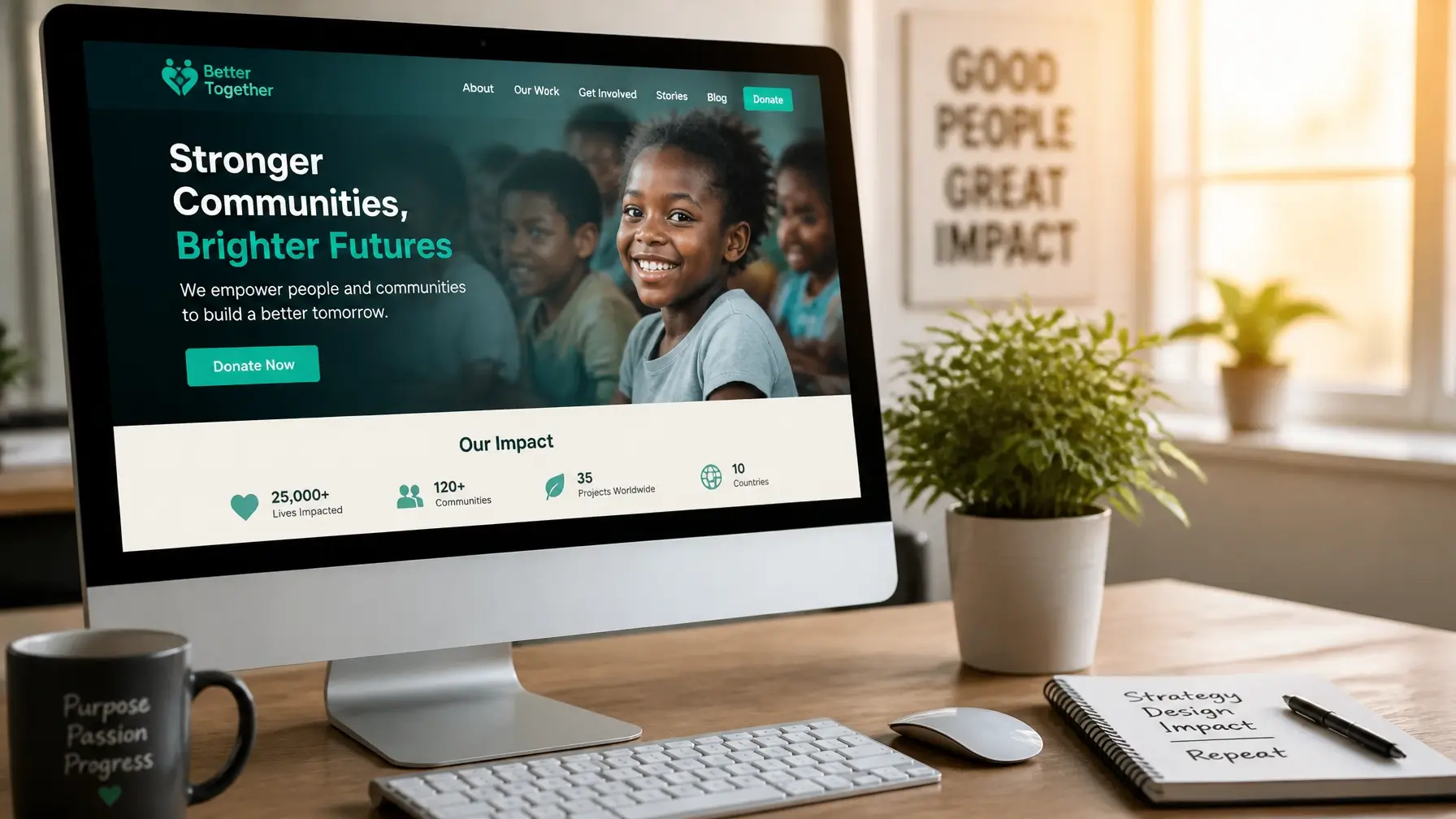


Having a great website is a big deal, especially for dental practices looking to reach more people. Dental web design helps create a strong online presence, making it easier for practices to connect with potential patients.
When a dental website is well-designed, it can attract people who need dental care, showing them that the practice is professional and welcoming. A simple, clear website makes it easy for people to find the information they need and decide to book an appointment.
When talking about dental web design, this means making sure the website looks good, works well, and is easy to use. This helps improve the experience for anyone visiting the site. It's not just about having a pretty layout; it's also about making the site useful and meeting the needs of patients.
Think of a dental website that is easy to navigate and provides all the information patients are looking for, like services offered and contact details. Such a site can make a strong impression and support the growth of a dental practice.
Creating an effective dental website involves using smart strategies. These can include having clear sections, easy navigation, and helpful content that answers common questions. With all these elements working together, the website can clearly showcase what the dental practice has to offer and why new patients should choose them. Here are some of the key aspects of designing a great dental website.
1. Understanding Your Audience and Needs
Designing a dental website starts with knowing who will be using it. For most dental practices, this means thinking about patients. Patients visit dental websites to learn about the services offered, check out the team, and find easy ways to contact the office. Keeping these needs in mind shapes how the website looks and works.
A key part of successful dental web design is making sure that the site is easy to use. Patients should be able to find what they need without much hassle. This means using simple menus, clear headings, and making important information like phone numbers and addresses easy to find. A website that's easy to navigate helps patients feel confident about the practice they are considering.
Figuring out what concerns or worries patients might have can also influence the design. For example, if a lot of patients worry about the safety of dental procedures, the website can add information about the practice's health and safety guidelines. By answering these concerns right on the site, a dental practice builds trust and makes potential patients feel more relaxed about visiting in person.
When practices understand their audience, they can customise the look and tone of their dental web design. For example, a family dental practice might choose bright colours and pictures of kids, while a cosmetic dental office may highlight modern equipment and share before-and-after photos. By shaping the layout and appearance based on the audience, the website feels more personal and welcoming.
Patient-focused content is another part of creating a helpful site. By describing common treatments, sharing what to expect during a visit, or offering advice on dental care at home, the website provides extra value. When patients find answers to their questions online, they can make better decisions and feel more comfortable reaching out for an appointment.
2. Essential Elements of Effective Dental Web Design
Building a dental website that works well means putting together key parts that make the site both attractive and useful. One important part is having an intuitive layout that guides users through the site.
This means organizing the information in a way that makes sense and is easy to follow. When patients can easily spot the services offered, understand what the practice is about, and find contact information, it makes a good impression.
Clear information is another important part of a dental website. The site should explain what services the practice offers, who the dentists are, and any specialties that might interest a patient. By giving all the necessary information up front, patients do not need to look elsewhere for details. They get everything they need on the website, which is comforting.
Responsive design is another key aspect. Since so many people use smartphones and tablets, the website has to look good on any device. A responsive design adjusts automatically to fit different screen sizes, making the user experience smooth and consistent no matter which device someone uses. This can keep visitors interested and encourage them to reach out to the practice.
Images and visuals help build trust and make people comfortable. Pictures of the dental office, smiling staff, and happy patients can make the site feel more welcoming and personal. These visuals add to the feeling that the practice is friendly and open. A few well-chosen photos can help the website feel warm and honest.
Another feature that makes a dental website stand out is clear calls to action. These can be buttons or links that encourage visitors to book an appointment, call the office, or send a message. By making the next step obvious, a site can get more bookings and help patients connect quickly.
Well-organised service pages are just as important. When each service gets its own page with descriptions, benefits, and what to expect, patients can understand what is available. This removes confusion and helps patients make informed choices.
Contact details need to be visible on every page. This includes a phone number, email address, online booking link, and map for directions. Easy-to-find contact info means patients are less likely to get frustrated and more likely to reach out.
Using high-quality images, clear fonts, and calm colours adds to the website's impact. These design choices help the site look trustworthy and match the “feel” of the dental practice.
Giving directions with a map or location section helps new patients find the office. Many people use their phones for directions, so including a map or location link can make a big difference for people trying to find the practice.
3. Leveraging SEO in Dental Web Design
SEO is a key tool for helping a dental website show up online. Using SEO best practices in the design helps improve the website's visibility on search engines. This way, more people can find the practice when they look for dental services. SEO uses keywords throughout the site, such as dental web design, to connect with what people are searching for.
Getting good results with SEO starts with smart keyword research. This means finding out what words people use when searching for dental services and adding those words naturally to the website’s content. It is not about filling the site with keywords, but using them where they make sense and are useful for the reader. By making the content match what potential patients are searching for, the practice can get more website visitors.
SEO also means creating content just for dental services. This could be blog posts about common dental procedures, FAQs about dental health, or tips for keeping teeth healthy. These types of content help attract local patients and show that the practice is ready to answer questions for the community. By adding this kind of helpful content to the website, the dental practice can improve its search ranking and reach more people looking for its services.
Another SEO strategy is building links from other trusted sites. When a dental website is linked from local business listings, dental associations, or community groups, it can help improve search rankings. Search engines see these links as a sign that the website is trustworthy and relevant for the area served by the practice.
Optimising images can help a site be found through online image searches as well. By using descriptive tags and file names, pictures of dental offices, staff, and procedures can show up in search results. This gives the practice more chances to be seen and found by new patients.
A mobile-optimised website boosts SEO performance. Search engines now value sites that load quickly and look good on mobile devices. Having a mobile-responsive site not only helps users but also helps the practice rank higher when people in the area search for dental care on their phones.
Updating the site with fresh content can help with search visibility. Adding new information about services, sharing practice updates, or posting dental health tips signals to search engines that the website is active and valuable. This ongoing effort can keep the site high in search results and help new patients find the practice.
4. Incorporating Patient-Focused Features
Adding features to a dental website that help patients can make a big difference in the user experience and engagement.
- An online booking system lets patients schedule appointments when it fits their own routine. This avoids the need for calling and makes time management easier for both the practice and patients.
- Sections for patient testimonials and reviews help new visitors feel more comfortable and confident. These show the practice’s strengths and reassure potential patients.
- Educational content, such as blogs or FAQs, gives visitors more information about dental procedures, oral hygiene, and common questions. Sharing this type of content builds trust and shows a willingness to help patients outside of the office.
Including patient portals and secure chat options can also reduce wait times and give current patients easier access to care between appointments.
Online forms can help patients submit questions or request information quickly and privately. These forms save front desk staff time and can help patients feel more in control of their care.
A dental website that keeps medical records secure and follows privacy rules helps build trust with patients. When people know their information is protected, they are more likely to book appointments and return in the future.
Virtual consultation or video chat features, where possible, are helpful for busy families or those needing advice before visiting. This added convenience shows that the dental office cares about making care simple and stress-free.
Frequently asked questions (FAQs) pages can save time for both patients and staff. Adding answers to common queries about insurance, payments, procedures, and office visits lets people find what they need right away.
Website accessibility is a patient-focused feature as well. Using an easy-to-read design, high contrast text, and tools for screen readers helps support all visitors, including those with hearing or visual needs. The more accessible a site is, the more patients can use it.
5. Optimising for Mobile Users
With more people using phones and tablets to look for dentists and book appointments, dental websites need to work well on mobile devices. A site that is easy to use on a phone or tablet can really stand out.
- Keeping designs simple and clean helps users move easily through the site on small screens.
- Large buttons and readable text are important so visitors can quickly find what they need.
- Regularly testing how the site looks and works on different devices keeps the user experience positive, even as new devices and updates come out.
- Updating the mobile site shows patients that their easy access matters.
Mobile-responsive dental websites designed by Arch Web Design load quickly on any device and are tested for the best experience using tools like Google’s Lighthouse and real-user testing.
Sites with quick loading times help reduce drop-offs as people are more likely to leave slow pages. Compressing images and limiting heavy scripts keeps the site fast for everyone browsing on their phones.
Clickable phone numbers and appointment buttons let mobile users contact the practice without typing, making the site safer to use while on the go. Including map links lets patients open directions in their favourite map app with just a tap.
Feedback about the mobile experience can point to changes needed to improve the site. Offering a feedback option or reviewing website analytics can reveal if visitors are dropping out at certain steps or having problems with forms.
Simple menus that turn into a dropdown or "hamburger menu" on small screens save space and let people find information fast. The fewer steps a visitor needs to take, the happier and more likely they are to book.
6. Design Trends in Dental Web Design
Staying current with website design trends keeps a dental website interesting and fresh.
- Minimalist designs focus on simple, clean layouts and avoid clutter. This style can highlight the most important information for patients and feel welcoming.
- Calming colours, such as soft blues, greens, and neutral shades, can create a comfortable space online. These choices help ease potential worries some people feel about dental appointments.
- Keeping your website’s tools and software updated lets you take advantage of new features and templates. Modern site builders can add fresh options that improve the way visitors use the website.
- Staying on top of updates means the site keeps looking new and works well over time.
Arch Web Design helps dental practices stay on trend, with custom branding, colour palettes, and easy-to-update templates.
Video banners or quick arrival videos from the dentist or team can add interest and make the practice feel friendly and real. These quick videos can welcome new patients and briefly explain what makes the practice different.
Easy-to-read font choices and clear, simple menus make it easier for all types of patients to use the site confidently, even those not comfortable with technology. More dental websites are adding this inclusive touch.
New visual tools, such as before-and-after galleries, allow dentists to show the results of their work in a clear way. This can help patients understand what to expect from treatments and feel better about their care choices.
Animations, hovering effects, and interactive graphics are used to guide attention to important information, like booking forms or featured services, making the website feel more lively and fresh.
A trend for 2024 and beyond is the use of eco-friendly web options, like energy-efficient hosting and green design practices. Dental practices can highlight these choices on their website as part of their values.
Digital accessibility is a growing trend, with sites being designed from the start to support people with disabilities. Colour contrast checkers, voice navigation, and text resizing can all be added for a more inclusive online space.
7. Simplifying Your Path to a Successful Dental Website
Focusing on a user-friendly experience in dental web design has a big impact. By building a website that is easy to navigate, with features that help patients and SEO strategies that attract the right visitors, a dental practice can connect with more people. These parts work together to create a website that draws in visitors and helps turn them into regular patients.
A website built for simplicity and good design gives a dental practice a strong start online. By putting patient needs first, the website becomes a helpful tool for trust and connection. With the right design and tools, a dental practice can do well online, making it simpler for patients to find and choose their care confidently.
As more people turn to the internet for help, the need for an approachable, informative dental website only grows. That means focusing on patient needs, keeping the site up-to-date, and always making it as easy as possible for people to find what they want. A reliable, modern website can set a dental practice apart, making it the obvious choice for new and returning patients.
Testing and gathering feedback regularly ensures the website serves patients well. By asking current patients and new visitors about their experience, practices can identify changes that improve navigation or add useful features. This ongoing effort keeps the website an active and valuable part of the practice's success.
Practices that check their site often for outdated details, like hours and services, avoid confusion for patients. Keeping everything current shows care for visitors' time and helps avoid missed connections.
By bringing together design, function, SEO, patient tools, and current trends, dental practices can build websites that help their businesses grow year after year.