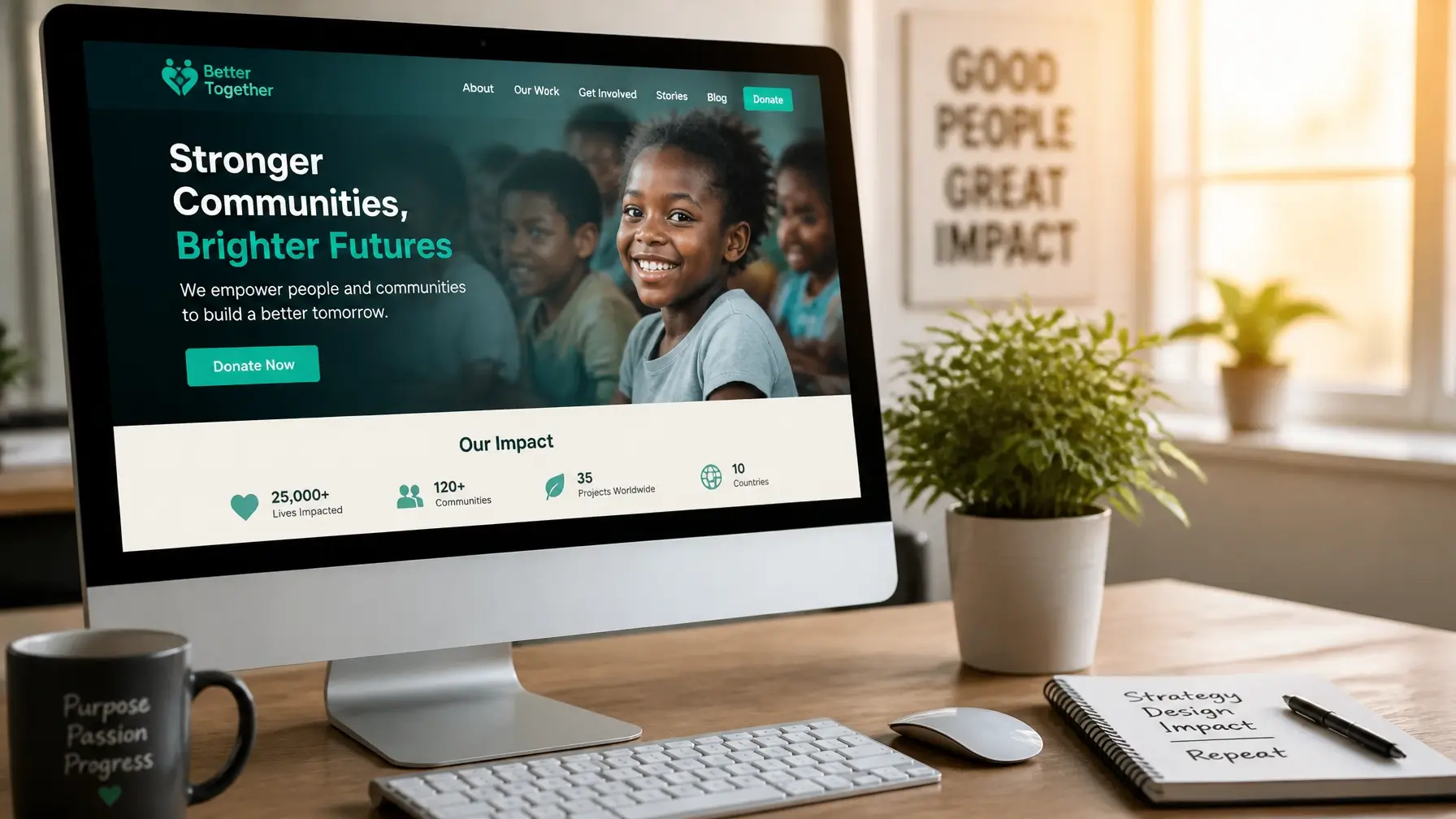


Understanding the most current web design trends can make a big difference for SaaS businesses looking to stand out online. These trends go beyond visual appeal. They improve usability, support engagement, and help build trust with visitors. Well-executed design choices can shape how your audience interacts with your platform from the moment they arrive.
Web design is not just about aesthetics. It's about creating seamless, intuitive experiences that make it easy for users to navigate, understand, and act. For SaaS companies, this means aligning design with evolving user expectations and behaviours. Staying on top of design trends ensures your website continues to look modern, function efficiently across all devices, and connect meaningfully with users.
1. Embracing Minimalist Design for Clarity and Focus
Minimalist design works by eliminating distractions and focusing attention on what matters most. It's a popular choice among SaaS companies for good reason. The simplicity of minimalist layouts makes it easier for users to focus, leading to clearer comprehension and better user decisions.
1. Clear navigation makes it easy for visitors to find information without confusion.
2. Visual hierarchy guides the eye to key elements such as call-to-action buttons or updates.
3. Faster load times are a natural byproduct of fewer elements on the page.
A minimalist SaaS landing page, for instance, might showcase the product's main features with bold icons and concise benefit statements. The clarity of this approach boosts user understanding and, ultimately, conversions.
2. The Rise of Dark Mode in SaaS Interfaces
Dark mode has moved from being a niche preference to a mainstream expectation. Many users now look for a dark mode option, especially in enterprise and productivity SaaS tools.
This feature benefits users in several ways:
1. It reduces eye strain, especially in low-light or extended-use situations.
2. It conserves battery on OLED-powered devices.
3. It offers a modern, sleek visual experience that appeals to design-conscious users.
Dark mode also signals that a SaaS business is committed to customization and user comfort. Offering a toggle between light and dark modes adds a layer of personalization that helps users feel more at home on your platform.
3. Engaging Users with Micro-Interactions
Micro-interactions are subtle design elements that respond to user behaviour in real time. Think of small animations, hover effects, or changes in button states. They may seem minor, but they contribute significantly to how users perceive a site.
Reasons to integrate micro-interactions:
1. They provide feedback, confirming user actions such as clicks or selections.
2. They offer guidance by drawing attention to new features or overlooked fields.
3. They elevate engagement by making the experience more enjoyable and intuitive.
For example, when a user hovers over a navigation item and a dropdown menu appears with a slight animation, it reinforces a sense of interactivity and polish. These small moments help users feel actively engaged with the product.
4. Tailoring Experiences with Personalized User Interfaces
Personalization is now a standard expectation rather than a luxury. SaaS platforms can stand out by tailoring the interface to meet individual user needs. This goes beyond displaying a name on the homepage.
Personal interface elements include:
1. Dynamic content based on user history, preferences, or location.
2. Dashboard customization, letting users reorder widgets or adjust themes.
3. User-specific notifications that keep people informed of what matters to them.
Take a SaaS analytics tool, for example. A returning user who regularly checks marketing campaign data might be greeted with those metrics already expanded and highlighted. This makes navigation both faster and more satisfying.
5. Utilizing Asymmetry and Broken Grid Layouts
SaaS companies that want to avoid the cookie-cutter look are turning to asymmetrical and broken grid layouts. These designs challenge uniform patterns and create more dynamic, memorable viewing experiences.
Here’s what makes this trend effective:
1. It adds visual intrigue without sacrificing functionality.
2. It allows more storytelling flexibility through strategic image and text placement.
3. It helps brands create a distinctive and modern first impression.
Consider a landing page where callouts about product benefits break slightly from the grid pattern. This gentle rebellion against symmetry keeps viewers engaged longer and guides the eye strategically across the page.
6. The Impact of Enhanced Mobile Responsiveness
Mobile responsiveness is no longer optional. With an increasing percentage of users accessing SaaS tools on mobile devices, your design must work perfectly on phones and tablets.
Mobile responsiveness contributes to:
1. Better user engagement, keeping visitors on the site longer.
2. Higher accessibility, providing seamless use across various screen sizes.
3. Improved search rankings, as mobile-friendliness is a ranking factor.
A well-optimized SaaS dashboard on mobile might show collapsible menus, streamlined layouts, and touch-friendly controls. Removing friction from mobile interactions ensures that productivity and engagement aren't lost when users are away from desktops.
7. Importance of Fast Load Times and Performance
Fast-loading websites provide better experiences and influence conversion rates and user satisfaction. For SaaS businesses, speed is tied directly to trust and credibility.
Here’s why it matters:
1. It reduces bounce rates caused by frustrating delays.
2. It encourages users to explore more pages and capabilities.
3. It improves overall customer satisfaction.
Ways to boost load performance include compressing images, minifying code, and using a content delivery network. When your platform loads quickly, it respects the user's time, an increasingly rare and valuable commodity.
8. Integrating AI and Machine Learning for Better User Experience
With AI and machine learning, SaaS platforms can anticipate user needs and offer real-time solutions. This leads to smarter interfaces and deeper brand loyalty.
Use cases for AI and ML include:
1. Predictive search tools that help users find what they need faster.
2. Chatbots that offer on-demand support and reduce wait times.
3. Recommendation engines that surface relevant features or content.
For example, a data visualization SaaS tool could analyze past usage and suggest relevant report templates. This proactive personalization streamlines the experience and helps users feel more supported.
9. Building Trust with Transparent Design Elements
Trust directly impacts how users interact with your product and whether they convert or return. Transparent design helps communicate your brand’s reliability and ethics.
Elements that build trust include:
1. Pricing pages with clear, detailed breakdowns.
2. Terms and service agreements presented in plain English.
3. Uniform branding across pages to create visual consistency.
Consider a SaaS billing platform that displays service levels, pricing, and support options with clear icons and explanations. Taking this transparent approach helps users feel more at ease when committing.
10. Incorporating Video Backgrounds for Visually Rich Experiences
When used thoughtfully, video backgrounds can immediately capture attention and communicate a product’s value in seconds.
Here’s why some SaaS websites are embracing this trend:
1. Video brings storytelling to life faster than text can.
2. It creates an emotional connection through sound, movement, and visuals.
3. It makes landing pages feel current and media-rich.
One example might be a CRM platform showcasing how its tool integrates with other apps through a looping demo video on the homepage. This gives users a preview without needing to dig through documentation.
11. Enhancing Accessibility for a Wider Audience
Inclusive design ensures your SaaS platform can be used by everyone, regardless of physical or cognitive ability. Accessibility also reflects positively on your brand's values.
Key accessibility practices include:
1. Providing alt text for all images used.
2. Designing with high contrast and readable fonts.
3. Enabling keyboard navigation for essential features.
A highly accessible platform might allow users to control settings like text size or colour contrast. These options demonstrate a commitment to all users and ensure legal compliance with accessibility standards.
12. The Role of Custom Illustrations and Icons
Custom icons and illustrations personalize your site and help explain abstract concepts. They stand out more than stock images and are often more aligned with brand personality.
They support:
1. Better visual storytelling unique to the company’s mission or values.
2. Quicker comprehension of key features thanks to simplified visuals.
3. More visually engaging content that encourages interaction.
Think of a product tour where custom characters walk users through core tasks. These illustrations make onboarding easier and add a touch of human warmth.
13. Leveraging Dynamic Scrolling Techniques
Dynamic scrolling, like parallax effects or scroll-triggered animations, adds an interactive feel that encourages users to explore further.
Its strengths include:
1. Keeping users engaged longer through motion and interaction.
2. Softly guiding focus from section to section in a narrative-like flow.
3. Making content feel immersive and connected.
A SaaS site using scrolling techniques could show a feature in use with a small animation that appears when the user scrolls past. This careful, timed reveal keeps interest high without overwhelming the visitor.
14. Designing High-Converting Onboarding and Activation Flows
Your website should set up the product for fast time-to-value. Focus on onboarding patterns that reduce friction and help users reach an “aha” moment quickly.
Key tactics:
- Progressive disclosure that reveals complexity as users advance
- Smart empty states that include helpful examples, templates, or import options
- Guided tours, checklists, and contextual tips that can be paused or dismissed
- Success states that reinforce progress and prompt the next best action
Example: A project management SaaS can offer a template gallery on first login, pre-populate sample tasks, and provide a one-click “Import from Jira/Asana” to shorten setup time.
15. Privacy-First UX and Compliance by Design
Users expect control and clarity around data. Bake privacy into your design so consent and transparency feel effortless, not obstructive.
What to include:
- Granular consent management for cookies, analytics, and marketing
- A clear privacy center with data export/delete options and audit logs
- Plain-language disclosures about AI features and data usage, with opt-outs
- Location-aware compliance (GDPR, CCPA/CPRA, LGPD) and regional data routing
Result: Higher trust, fewer support tickets, and stronger compliance posture without harming conversion.
16. Building Scalable Design Systems for Speed and Consistency
As SaaS products evolve, a robust design system keeps your site cohesive and accelerates delivery.
Core components:
- Design tokens for color, spacing, typography, and motion across light/dark themes
- Accessible component libraries (Figma + code) with variants and usage guidelines
- Performance-minded components (lazy loading, SVG icons, reduced motion options)
- Governance: contribution model, changelogs, and automated linting/testing
- Outcome: Faster releases, consistent UX, and accessibility baked into every update.
17. Localized and International-Ready Experiences
Global audiences need interfaces that respect language, locale, and cultural norms.
Best practices:
- Locale-aware formatting (dates, numbers, currencies) and RTL layout support
- Flexible layouts that handle longer translations without breaking
- Geographically relevant messaging, pricing, and legal content
- Edge caching and language negotiation to serve localized content quickly
Tip: Plan URL structure early (e.g., example.com/fr/) to simplify SEO, analytics, and ongoing content ops.
18. Interactive Demos and Self-Serve Sandboxes for Product-Led Growth
Let prospects experience value before they sign up. Interactive evaluation reduces friction and boosts conversion.
Effective approaches:
- Live, embedded product demos with sample data and guided tasks
- Temporary sandbox accounts—no credit card—reset on a timer
- Clickable, high-fidelity prototypes for new features on the marketing site
- One-click data import (CSV, Google/Microsoft OAuth) to make trials feel real
- Measure demo engagement and pass qualified intent signals to your CRM to align marketing and sales.
19. Staying Ahead with Continuous User Feedback Integration
User feedback keeps your website aligned with real-world needs. It’s one of the best ways to guide ongoing development and ensure your platform stays relevant.
Effective feedback integration includes:
1. Quick surveys or suggestion boxes embedded in user dashboards.
2. Behavioural analysis to spot trends or friction points.
3. Periodic user interviews to go deeper on important insights.
A proactive SaaS team might test design changes with sample groups or run A/B tests on layout tweaks. The goal is continuous improvement based on actual user input, which ends up benefiting the entire customer base.