Choosing the Right Webflow Agency in Montreal for Social Impact Projects

TL;DR: Choosing a Montreal website agency for your social impact project requires more than just design skills. You need a partner that understands the bilingual landscape of Quebec, the high-stakes conversion needs of nonprofits, and the technical power of Webflow. Look for agencies that prioritize outcomes over aesthetics , offer bilingual English/French expertise , and hold official Webflow certifications . Montreal isn't just a city of festivals and great bagels; it’s a global hub for social innovation. From international NGOs to local grassroots charities, the mission-driven sector here is thriving. But here’s the problem: Many organizations are stuck with websites that look "nice" but don't actually do anything. They don’t drive donations. They don’t attract volunteers. And they certainly don't reflect the weight of the mission. If you’re a mission-driven organization in Montreal, Toronto, or Ottawa, you don’t need a generic firm. You need a mission-driven website agency that speaks your language, literally and figuratively. Let’s dive into how to find the right partner. 1. Why Webflow is the Choice for Montreal Social Impact Before you pick an agency, you have to pick the right platform. For nonprofits and social impact brands, Webflow has become the gold standard. Why? Because it bridges the gap between total creative freedom and high-level performance. Speed to Market: You can launch campaigns in days, not months. Ease of Use: Your team can update content without calling a developer. Security: No more worrying about the "plugin bloat" or security vulnerabilities of WordPress. Accessibility: Built-in tools help you meet WCAG standards, which is vital for inclusivity. At Arch Impact Studio, we specialize in building high-performing Webflow sites that turn visitors into donors. We’ve seen firsthand how a transition to Webflow can revitalize a brand’s digital presence. 2. The Bilingual Advantage: More Than Just Translation If you’re looking for Montreal web design , bilingualism isn't a "nice-to-have": it’s a legal and cultural requirement. A local agency understands that a French version of your site isn’t just a translated copy of the English one. It requires: Cultural Nuance: Messaging that resonates with the Quebecois market. SEO Strategy: Specific keyword research for both English and French audiences in Montreal and beyond. Technical Implementation: Using Webflow’s localization features to ensure a seamless user experience in both languages. When you work with a Montreal-based team, you're getting experts who live and breathe this dual-identity every day. We ensure your mission is felt just as strongly in Montreal as it is in Toronto or Ottawa. 3. The Problem-Solution Framework: What Are You Actually Buying? Most agencies sell "design." But as a mission-driven organization, you aren't buying a logo or a layout. You’re buying an outcome . The Problem: Your current site is a "leaky bucket." You’re driving traffic from social media or events, but people leave before they donate or sign up. The Solution: A conversion-focused strategy that maps every click to a specific goal. A great Montreal website agency will start by asking you: “What is the one thing you want a visitor to do?” If they don’t ask that, keep looking. Our 7-step process is designed specifically to plug those leaks. We focus on the "why" before we ever touch the "how." 4. 5 Criteria to Vet Your Webflow Partner When interviewing agencies, use these benchmarks to separate the "pretty designers" from the "impact builders." I. Deep Webflow Expertise Check for the Webflow Certified Expert badge. Webflow is a powerful tool, but in the wrong hands, it can be messy. You want an agency that knows how to build clean, scalable sites that are easy for your nonprofit staff to manage. II. Proof of Impact Look at their portfolio . Do they have experience with mission-driven brands? Have they worked on projects that require scale and reliability, like the Canada Games ? III. Outcomes Over Aesthetics Ask them about conversion rates. Can they show you how a redesign helped a client increase donations or volunteer sign-ups? If they only talk about fonts and colors, they aren't the right fit for a nonprofit budget that needs to justify every dollar. IV. Local Market Knowledge Even if they work remotely across Canada (like we do, serving Toronto, Ottawa, and Vancouver), they should have a firm grip on the Montreal landscape. This includes understanding local grants, the importance of accessibility in the public sector, and the unique tech ecosystem of the city. V. Post-Launch Support A website isn't a one-and-done project. Does the agency offer maintenance and training? You don't want to be "hand-held" forever; you want to be empowered. We provide client training to ensure your team is confident using the platform. 5. Why Mission-Driven Organizations Are Pivoting to Arch Impact Studio We aren't a generalist agency. We started in the SaaS space, but we pivoted to nonprofits and charities because that’s where we can make a real difference. We know that budgets are tight. We know that you have to report to a board. That’s why we don’t just build "pretty" websites. We build digital tools that work. Whether you are based in the Old Port of Montreal, the tech hubs of Toronto, or the government centers of Ottawa, our approach remains the same: Conversion-first design for brands that give a damn. Conclusion: Take the Next Step The right agency will feel like an extension of your own team. They will care about your mission as much as you do and use their technical expertise to amplify it. Don't settle for a website that just sits there. Get one that actually helps you change the world. The takeaway? Look for the "Certified Expert" badge, demand a bilingual strategy, and focus on the outcomes that matter to your board. Ready to see how Webflow can transform your organization's impact? Book a consultation with us today . Let’s talk about your mission and how we can make it visible to the world.

Rhami Aboud
Want Help With Your Website?

Book a call directly with our CEO, Rhami Aboud. We have 7 years experience creating high-converting SaaS websites that elevate your brand and are built to generate leads.

Book A Call
CEO - Rhami Aboud

TL;DR: Choosing a Montreal website agency for your social impact project requires more than just design skills. You need a partner that understands the bilingual landscape of Quebec, the high-stakes conversion needs of nonprofits, and the technical power of Webflow. Look for agencies that prioritize outcomes over aesthetics, offer bilingual English/French expertise, and hold official Webflow certifications.

Montreal isn't just a city of festivals and great bagels; it’s a global hub for social innovation. From international NGOs to local grassroots charities, the mission-driven sector here is thriving.

But here’s the problem: Many organizations are stuck with websites that look "nice" but don't actually do anything. They don’t drive donations. They don’t attract volunteers. And they certainly don't reflect the weight of the mission.

If you’re a mission-driven organization in Montreal, Toronto, or Ottawa, you don’t need a generic firm. You need a mission-driven website agency that speaks your language, literally and figuratively.

Let’s dive into how to find the right partner.


1. Why Webflow is the Choice for Montreal Social Impact

Before you pick an agency, you have to pick the right platform. For nonprofits and social impact brands, Webflow has become the gold standard.

Why? Because it bridges the gap between total creative freedom and high-level performance.

  • Speed to Market: You can launch campaigns in days, not months.
  • Ease of Use: Your team can update content without calling a developer.
  • Security: No more worrying about the "plugin bloat" or security vulnerabilities of WordPress.
  • Accessibility: Built-in tools help you meet WCAG standards, which is vital for inclusivity.

At Arch Impact Studio, we specialize in building high-performing Webflow sites that turn visitors into donors. We’ve seen firsthand how a transition to Webflow can revitalize a brand’s digital presence.
Official Webflow Certified Expert badge - Proof of technical authority

2. The Bilingual Advantage: More Than Just Translation

If you’re looking for Montreal web design, bilingualism isn't a "nice-to-have": it’s a legal and cultural requirement.

A local agency understands that a French version of your site isn’t just a translated copy of the English one. It requires:

  1. Cultural Nuance: Messaging that resonates with the Quebecois market.
  2. SEO Strategy: Specific keyword research for both English and French audiences in Montreal and beyond.
  3. Technical Implementation: Using Webflow’s localization features to ensure a seamless user experience in both languages.

When you work with a Montreal-based team, you're getting experts who live and breathe this dual-identity every day. We ensure your mission is felt just as strongly in Montreal as it is in Toronto or Ottawa.

3. The Problem-Solution Framework: What Are You Actually Buying?

Most agencies sell "design." But as a mission-driven organization, you aren't buying a logo or a layout. You’re buying an outcome.

The Problem: Your current site is a "leaky bucket." You’re driving traffic from social media or events, but people leave before they donate or sign up.
The Solution: A conversion-focused strategy that maps every click to a specific goal.

A great Montreal website agency will start by asking you: “What is the one thing you want a visitor to do?” If they don’t ask that, keep looking.

Our 7-step process is designed specifically to plug those leaks. We focus on the "why" before we ever touch the "how."

A professional team in a modern Montreal studio space collaborating on a mission-driven website design strategy

4. 5 Criteria to Vet Your Webflow Partner

When interviewing agencies, use these benchmarks to separate the "pretty designers" from the "impact builders."

I. Deep Webflow Expertise

Check for the Webflow Certified Expert badge. Webflow is a powerful tool, but in the wrong hands, it can be messy. You want an agency that knows how to build clean, scalable sites that are easy for your nonprofit staff to manage.

II. Proof of Impact

Look at their portfolio. Do they have experience with mission-driven brands? Have they worked on projects that require scale and reliability, like the Canada Games?
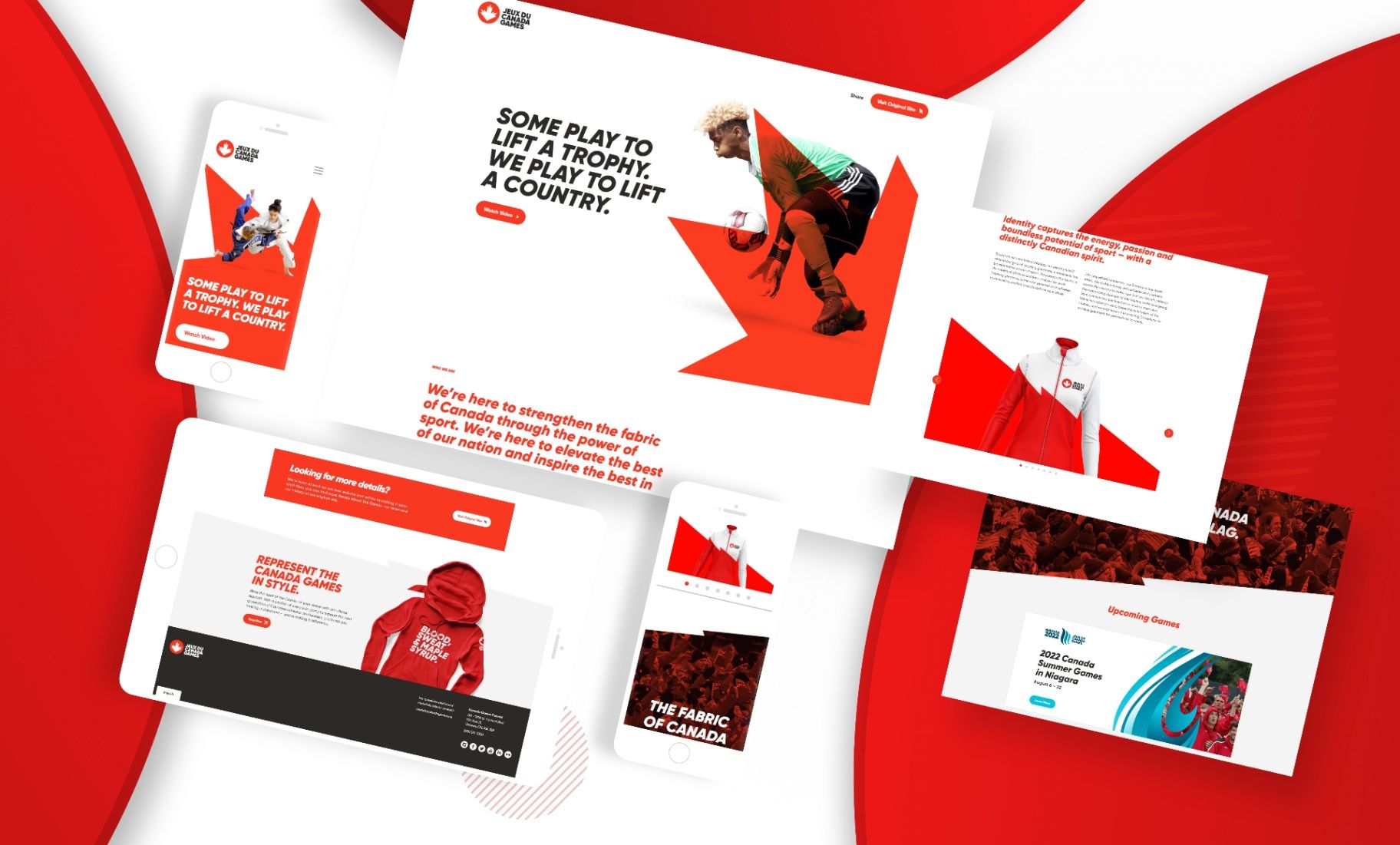
Website mockup for Canada Games with a red and white theme, showcasing large-scale Canadian project experience

III. Outcomes Over Aesthetics

Ask them about conversion rates. Can they show you how a redesign helped a client increase donations or volunteer sign-ups? If they only talk about fonts and colors, they aren't the right fit for a nonprofit budget that needs to justify every dollar.

IV. Local Market Knowledge

Even if they work remotely across Canada (like we do, serving Toronto, Ottawa, and Vancouver), they should have a firm grip on the Montreal landscape. This includes understanding local grants, the importance of accessibility in the public sector, and the unique tech ecosystem of the city.

V. Post-Launch Support

A website isn't a one-and-done project. Does the agency offer maintenance and training? You don't want to be "hand-held" forever; you want to be empowered. We provide client training to ensure your team is confident using the platform.

5. Why Mission-Driven Organizations Are Pivoting to Arch Impact Studio

We aren't a generalist agency. We started in the SaaS space, but we pivoted to nonprofits and charities because that’s where we can make a real difference.

We know that budgets are tight. We know that you have to report to a board. That’s why we don’t just build "pretty" websites. We build digital tools that work.

Whether you are based in the Old Port of Montreal, the tech hubs of Toronto, or the government centers of Ottawa, our approach remains the same: Conversion-first design for brands that give a damn.

High-converting landing page mockup from Arch Impact Studio featuring clear CTAs and mission-focused messaging


Conclusion: Take the Next Step

The right agency will feel like an extension of your own team. They will care about your mission as much as you do and use their technical expertise to amplify it.

Don't settle for a website that just sits there. Get one that actually helps you change the world.

The takeaway? Look for the "Certified Expert" badge, demand a bilingual strategy, and focus on the outcomes that matter to your board.

Ready to see how Webflow can transform your organization's impact?
Book a consultation with us today. Let’s talk about your mission and how we can make it visible to the world.


Conclusion

TL;DR: Choosing a Montreal website agency for your social impact project requires more than just design skills. You need a partner that understands the bilingual landscape of Quebec, the high-stakes conversion needs of nonprofits, and the technical power of Webflow. Look for agencies that prioritize outcomes over aesthetics, offer bilingual English/French expertise, and hold official Webflow certifications.

Montreal isn't just a city of festivals and great bagels; it’s a global hub for social innovation. From international NGOs to local grassroots charities, the mission-driven sector here is thriving.

But here’s the problem: Many organizations are stuck with websites that look "nice" but don't actually do anything. They don’t drive donations. They don’t attract volunteers. And they certainly don't reflect the weight of the mission.

If you’re a mission-driven organization in Montreal, Toronto, or Ottawa, you don’t need a generic firm. You need a mission-driven website agency that speaks your language, literally and figuratively.

Let’s dive into how to find the right partner.


1. Why Webflow is the Choice for Montreal Social Impact

Before you pick an agency, you have to pick the right platform. For nonprofits and social impact brands, Webflow has become the gold standard.

Why? Because it bridges the gap between total creative freedom and high-level performance.

  • Speed to Market: You can launch campaigns in days, not months.
  • Ease of Use: Your team can update content without calling a developer.
  • Security: No more worrying about the "plugin bloat" or security vulnerabilities of WordPress.
  • Accessibility: Built-in tools help you meet WCAG standards, which is vital for inclusivity.

At Arch Impact Studio, we specialize in building high-performing Webflow sites that turn visitors into donors. We’ve seen firsthand how a transition to Webflow can revitalize a brand’s digital presence.

Official Webflow Certified Expert badge - Proof of technical authority

2. The Bilingual Advantage: More Than Just Translation

If you’re looking for Montreal web design, bilingualism isn't a "nice-to-have": it’s a legal and cultural requirement.

A local agency understands that a French version of your site isn’t just a translated copy of the English one. It requires:

  1. Cultural Nuance: Messaging that resonates with the Quebecois market.
  2. SEO Strategy: Specific keyword research for both English and French audiences in Montreal and beyond.
  3. Technical Implementation: Using Webflow’s localization features to ensure a seamless user experience in both languages.

When you work with a Montreal-based team, you're getting experts who live and breathe this dual-identity every day. We ensure your mission is felt just as strongly in Montreal as it is in Toronto or Ottawa.

3. The Problem-Solution Framework: What Are You Actually Buying?

Most agencies sell "design." But as a mission-driven organization, you aren't buying a logo or a layout. You’re buying an outcome.

The Problem: Your current site is a "leaky bucket." You’re driving traffic from social media or events, but people leave before they donate or sign up.
The Solution: A conversion-focused strategy that maps every click to a specific goal.

A great Montreal website agency will start by asking you: “What is the one thing you want a visitor to do?” If they don’t ask that, keep looking.

Our 7-step process is designed specifically to plug those leaks. We focus on the "why" before we ever touch the "how."

A professional team in a modern Montreal studio space collaborating on a mission-driven website design strategy

4. 5 Criteria to Vet Your Webflow Partner

When interviewing agencies, use these benchmarks to separate the "pretty designers" from the "impact builders."

I. Deep Webflow Expertise

Check for the Webflow Certified Expert badge. Webflow is a powerful tool, but in the wrong hands, it can be messy. You want an agency that knows how to build clean, scalable sites that are easy for your nonprofit staff to manage.

II. Proof of Impact

Look at their portfolio. Do they have experience with mission-driven brands? Have they worked on projects that require scale and reliability, like the Canada Games?

Website mockup for Canada Games with a red and white theme, showcasing large-scale Canadian project experience

III. Outcomes Over Aesthetics

Ask them about conversion rates. Can they show you how a redesign helped a client increase donations or volunteer sign-ups? If they only talk about fonts and colors, they aren't the right fit for a nonprofit budget that needs to justify every dollar.

IV. Local Market Knowledge

Even if they work remotely across Canada (like we do, serving Toronto, Ottawa, and Vancouver), they should have a firm grip on the Montreal landscape. This includes understanding local grants, the importance of accessibility in the public sector, and the unique tech ecosystem of the city.

V. Post-Launch Support

A website isn't a one-and-done project. Does the agency offer maintenance and training? You don't want to be "hand-held" forever; you want to be empowered. We provide client training to ensure your team is confident using the platform.

5. Why Mission-Driven Organizations Are Pivoting to Arch Impact Studio

We aren't a generalist agency. We started in the SaaS space, but we pivoted to nonprofits and charities because that’s where we can make a real difference.

We know that budgets are tight. We know that you have to report to a board. That’s why we don’t just build "pretty" websites. We build digital tools that work.

Whether you are based in the Old Port of Montreal, the tech hubs of Toronto, or the government centers of Ottawa, our approach remains the same: Conversion-first design for brands that give a damn.

High-converting landing page mockup from Arch Impact Studio featuring clear CTAs and mission-focused messaging


Conclusion: Take the Next Step

The right agency will feel like an extension of your own team. They will care about your mission as much as you do and use their technical expertise to amplify it.

Don't settle for a website that just sits there. Get one that actually helps you change the world.

The takeaway? Look for the "Certified Expert" badge, demand a bilingual strategy, and focus on the outcomes that matter to your board.

Ready to see how Webflow can transform your organization's impact?
Book a consultation with us today. Let’s talk about your mission and how we can make it visible to the world.


Continue your reading with these value-packed posts
mins read
Turning Good Intentions Into Action: Conversion-Focused Web Design & AEO for Canadian Nonprofits

Your nonprofit already has a compelling mission. But does your website make it easy for someone to donate, volunteer, apply, attend, or get help ? If the answer is “not always,” you are not alone. Many Canadian nonprofits have strong programs, committed teams, and meaningful impact. Yet their websites still rely on vague messaging, outdated layouts, confusing navigation, or donation flows that send people elsewhere. That gap matters. Your website is often the first place a donor, volunteer, funder, journalist, or community member encounters your organization. It should not merely explain what you do. It should help people take the next meaningful step. That is where conversion-focused web design and Answer Engine Optimization (AEO) come together. TL;DR: Your website should turn attention into action A high-performing nonprofit website should: Explain your mission in plain language. Give each visitor a clear next step. Make donating fast and trustworthy. Answer real questions directly. Help search engines and AI tools understand your organization. Scale as your programs, campaigns, and service areas grow. Reflect the people and communities behind your mission. Let’s dive right in. 1. Start with the action, not the aesthetics A beautiful website can still underperform. If visitors cannot quickly understand who you help, what you do, and how they can contribute , the design is not doing enough work. Conversion-focused design begins with your organization’s real outcomes. That might mean: More monthly donors. More volunteer applications. More program registrations. More calls to your support line. More community event attendance. More qualified partnership or funding inquiries. Each priority needs a clear path. Your homepage may introduce the full mission, but your program pages should guide visitors toward a specific action. A volunteer page should not compete with a donation appeal. A crisis-support page should not bury the “Get Help” button beneath organizational history. One page, one primary purpose. This does not mean removing every secondary link. It means creating a clear visual hierarchy so visitors never have to guess what to do next. A practical nonprofit navigation structure might include: About Our Work Get Help Get Involved Donate Contact Keep your main CTA visible in the header. On mobile, make sure it remains easy to tap. As CanadaHelps explains , visitors should ideally be no more than two or three clicks from a donation page. A better homepage hero Instead of: Empowering communities through innovative programs. Try: We help newcomers in Montreal find stable housing, language support, and a stronger start. Then add a direct CTA: Get support Donate monthly Volunteer in your community The takeaway? Clarity is not simplistic. It is respectful. Your visitors should not have to decode your mission before they can participate in it. 2. Design donation journeys around trust and momentum A donation page is not a form with a button. It is a moment of trust. Your donor is asking: Will my contribution make a difference? Is this organization legitimate? What will happen after I give? Will I receive a tax receipt? Can I give monthly? Is the payment process secure? Does this organization understand the issue? Your page should answer those questions before asking for payment details. High-impact donation page essentials Include: A short, specific statement of impact Explain what a gift helps make possible. Avoid promises you cannot substantiate. Preset giving amounts Use amounts based on your actual donor data where possible. Add context, such as “$50 helps provide…” only when the claim is accurate and current. One-time and monthly options Make recurring giving visible. Predictable revenue can help your team plan programs with greater confidence. An embedded or streamlined donation form Sending donors to an unfamiliar third-party page can create friction. CanadaHelps notes that every additional step or page transition creates another opportunity for abandonment. Canadian donor expectations Clearly explain tax receipt details, currency, and processing timelines. Link to your financial reports, annual reports, or impact reporting where appropriate. A human thank-you experience The confirmation page and email should reinforce the donor’s role in the mission. Do not treat the transaction as the finish line. CanadaHelps also reports that charities with two or more active donation forms earn 2.5 times more annual revenue than those using a single form. That does not mean every nonprofit needs dozens of forms. It does suggest that campaign-specific donation experiences deserve strategic consideration . For example, you might create separate forms for: Emergency relief. Monthly giving. A seasonal campaign. A specific program. Tribute or memorial gifts. The key is measurement. Track completion rates, average gift size, recurring-gift adoption, and mobile performance. 3. Use AEO to become the clearest answer in your field Search is changing. People increasingly ask full questions instead of typing a few keywords. AI-powered search experiences, voice assistants, and answer engines then decide which sources to summarize or recommend. AEO is the practice of making your organization easier for these systems to understand and trust. It is not a shortcut. It is not a guarantee that an AI tool will mention you. It is a disciplined approach to structured, useful, natural-language content . What should nonprofit websites answer? Build content around the questions your audiences actually ask. For donors: Is this organization a registered Canadian charity? How are donations used? Do I receive a tax receipt? Can I become a monthly donor? What communities does this nonprofit serve? For volunteers: How can I volunteer in Ottawa? Do I need previous experience? Are evening or remote opportunities available? What age requirements apply? For people seeking support: Who qualifies for this program? How do I access services in Vancouver? Is support available in French? What documents do I need? Is there a cost? Answer each question directly. Put the answer near the top of the page. Then add context, evidence, related links, and a clear CTA. Structure content for people and machines Use: One clear H1 per page. Descriptive H2 and H3 headings. Short paragraphs. Bulleted lists. FAQ sections. Internal links between programs, locations, and actions. “Last updated” dates on time-sensitive pages. Relevant schema markup, such as Organization , NGO , Service , and FAQPage . Your Webflow CMS can support this structure through reusable collections for: Programs. Locations. FAQs. Impact stories. Team members. Events. Reports and resources. This is where good content architecture pays off. You are not creating isolated pages. You are building a connected knowledge base that helps a person, a search crawler, or an AI system understand your work. 4. Make local relevance work for Montreal, Toronto, Ottawa, and Vancouver Canadian nonprofits rarely serve an abstract audience. They serve people in particular places, with particular needs, languages, barriers, and community relationships. Your website should reflect that reality. Montreal Montreal audiences may need clear French-language experiences, not simply a translated footer or an automatic translation widget. Consider bilingual navigation, localized FAQs, and program content reviewed by people who understand Quebec’s linguistic and cultural context. A page titled “Housing support in Montreal” should explain eligibility, neighbourhood coverage, how to apply, and whether services are available in French and English. Toronto Toronto audiences often need fast clarity. Large, diverse communities may be looking for food access, settlement services, employment support, youth programs, or housing resources. Use clear filters, scannable program cards, transit or neighbourhood details where relevant, and strong mobile usability. Make it easy to distinguish between services offered across the GTA and those available at a specific location. Ottawa Ottawa organizations may serve both local communities and national stakeholders. Your website might need to speak simultaneously to program participants, public-sector partners, volunteers, and funders. Create separate pathways rather than forcing every visitor through the same homepage narrative. If your work is bilingual, make language selection obvious and consistent. Vancouver Vancouver nonprofits may need to communicate across a broad geography, including city neighbourhoods and surrounding municipalities. Program pages should clearly state where services are offered, how appointments work, and whether travel or remote support is available. For every city, localize only where the information is real. Do not create thin city pages simply to target keywords. AEO and SEO both benefit from specific, useful local content: not generic pages with a city name swapped in. 5. Why Webflow is a strong fit for mission-driven organizations Webflow is not the right answer for every nonprofit. Your choice should depend on your team, integrations, budget, governance requirements, and content workflow. But for organizations that need a flexible marketing website, Webflow offers several practical advantages. Rapid deployment Webflow allows designers and developers to work in the same visual environment. That can reduce the distance between strategy, design, and implementation. For a nonprofit, this makes it easier to launch: A campaign landing page. A donation-focused homepage. A seasonal appeal. A new program page. A volunteer recruitment flow. A city-specific service page. Reusable components mean your team does not have to reinvent the layout each time. Scalable content management A small organization may begin with five core pages. Over time, it may need dozens of programs, locations, FAQs, reports, and impact stories. Webflow CMS collections can create a structured system for that growth. Your team can update content without rebuilding the entire site, while templates help maintain consistency across pages. Donation-centric layouts Webflow can be designed around the way people actually give. For example, a reusable donation section can include: Impact-focused giving amounts. Monthly-giving prompts. Trust signals. Tax receipt information. Campaign-specific messaging. Embedded third-party forms where supported. Webflow does not replace your donation processor or CRM. It creates the conversion environment around those tools. For a broader platform comparison, see our guide to Webflow vs. Squarespace . Easier iteration Your first launch is not the end of the project. Use analytics, donation data, form completion rates, heatmaps, and feedback from staff and community members to identify friction. Then improve the pages that matter most. That might mean testing: “Donate monthly” versus “Give today.” A shorter form. A different impact statement. A clearer eligibility section. A more prominent “Get Help” button. A simpler mobile menu. Our seven-step process is built around clarity, research, building, quality control, training, and launch: not decoration alone. 6. Measure impact your board can understand A conversion-focused website gives you better reporting language. Instead of saying, “The new site looks more modern,” you can report: Donation completion increased. Monthly-giving participation improved. Volunteer applications rose. Program pages received more qualified visits. Support requests became easier to navigate. Fewer users abandoned the donation form. Local pages generated more relevant inquiries. Start with a baseline. Define one primary conversion for each important page. Review performance monthly or quarterly. Not every meaningful action is a donation. For many nonprofits, help-seeking, volunteer registration, and program participation are equally important conversions . Your mission deserves a website that moves people You have already done the hard work of building programs, relationships, and trust. Your website should carry that work forward. It should help a donor understand the stakes. Help a volunteer find their place. Help a community member access support. Help a board see the return on a strategic investment. At Arch Impact Studio, we build conversion-focused Webflow websites and brand experiences for organizations with a mission worth making visible. We bring strategy, content structure, UX, AEO, and implementation together around measurable outcomes. If your website is not pulling its weight, let’s find out why. Book a consultation with Arch Impact Studio and bring us your mission, your biggest digital challenge, or simply the page you know needs to work harder. Further reading CanadaHelps: How to design a charity website that finds and converts donors Explore Arch Impact Studio’s work Learn more about Arch Impact Studio

mins read
Conversion-Focused Web Design & AEO: How Canadian Nonprofits Can Maximize Digital Impact in 2026

If you lead a Canadian nonprofit or charity in 2026, you already know the stakes. Budgets are tight, donor expectations are higher than ever, and your board demands measurable outcomes for every dollar spent. But here is the hard truth: if your website is still treated as a static digital brochure, you are quietly losing donors, volunteers, and grants to organizations that adapt faster. Across Montreal, Toronto, Ottawa, and Vancouver, purpose-led organizations are facing a dual challenge. Traditional search engine optimization (SEO) is no longer enough. Today, your prospective donors and beneficiaries are asking AI answer engines: like ChatGPT, Perplexity, and Copilot: for recommendations. This shift has given birth to Answer Engine Optimization (AEO) . When paired with conversion-focused web design built on modern platforms like Webflow , AEO transforms your website from an invisible digital expense into a high-performing growth engine. Let’s dive right in and explore how your organization can maximize its digital impact this year. TL;DR: What You Need to Know The Shift: Search has evolved. In 2026, users rely on AI answer engines to find charities, check impact metrics, and decide where to donate. AEO ensures AI systems cite your organization as a trusted source of truth. The Platform: Webflow CMS offers Canadian nonprofits the speed, scalability, and security they need without the plugin bloat of legacy platforms. The Local Edge: Whether you operate in bilingual Montreal, corporate Toronto, policy-driven Ottawa, or community-focused Vancouver, structured content connects you directly with local stakeholders. The Bottom Line: Beautiful design isn't enough. Every page must guide visitors toward a clear, frictionless action: whether that is donating, volunteering, or applying for services. 1. What is AEO, and Why Does It Matter for Canadian Nonprofits? The takeaway? Classic SEO was about ranking for keywords like "Montreal youth charity donate" or "Toronto food bank volunteer." AEO is about structuring your information so that AI systems can read, understand, and directly quote your organization when someone asks complex questions. When a potential donor asks an AI assistant: "Which environmental charities in British Columbia have the highest verifiable impact on old-growth forests?" or "How do I claim a tax receipt for a monthly donation in Ontario?" , the AI doesn't just read a list of blue links. It scans the web for structured, authoritative answers. If your nonprofit’s website features clear, direct answers backed by structured data, the AI will pull your content front and center. If your answers are buried inside dense, multi-paragraph PDF annual reports from 2022, you remain invisible. Core AEO Tactics for Mission-Driven Organizations: Write as Answers, Not Essays: Structure your key pages around the exact questions your donors and beneficiaries are asking. Implement JSON-LD Schema: Use machine-readable code (Organization, Service, and FAQPage schema) so search engines and AI crawlers instantly recognize your registration status, mission, and program details. Publish Transparent Impact Data: AI engines favor credibility. Name your experts, cite verifiable statistics, and keep your program pages updated. 2. Why Webflow CMS is the Ultimate Weapon for Nonprofits When building a conversion-focused website that supports both human donors and machine AI crawlers, your underlying technology matters immensely. At Arch Impact Studio , we transitioned our primary focus to mission-driven organizations because we saw too many charities struggling with bloated, insecure WordPress sites that required constant plugin updates and developer intervention. For a deeper dive into how platform choices impact your organization, explore our insights on Arch Impact Studio . Here is why Webflow has become the gold standard for Canadian nonprofits: Unmatched Speed and Security Nonprofit websites are frequent targets for automated spam and vulnerabilities when using outdated content management systems. Webflow’s enterprise-grade hosting infrastructure is lightning-fast, highly secure, and requires zero plugin management. When a donor lands on your site via an AI citation, page load speed can make or break the contribution. Rapid Deployment of Donation-Centric Layouts Need to launch an emergency relief campaign or a year-end giving drive within days? Webflow’s visual canvas and modular CMS allow our team to rapidly deploy conversion-optimized landing pages, impact calculators, and donor portals without sacrificing custom branding or accessibility standards. Board-Friendly Content Control Your communications team shouldn't need a computer science degree to update a blog post, add a new board member, or publish a quarterly impact report. Webflow’s Editor interface lets internal staff update content safely while preserving brand guardrails and structural integrity. 3. Localizing Your Digital Impact Across Canada Canada is a vast, culturally diverse nation. A cookie-cutter national homepage rarely resonates with local donors in downtown Toronto, bilingual communities in Montreal, policymakers in Ottawa, or environmental advocates in Vancouver. Bilingual Readiness in Montreal and Ottawa If your organization serves communities in Quebec or the National Capital Region, offering a seamless bilingual digital experience is non-negotiable. Webflow’s localization capabilities allow nonprofits to manage French and English content structures cleanly under localized subpaths or domains, signaling absolute professionalism to French-speaking donors and government partners. Tailoring Content for Regional Donors Toronto: Corporate philanthropy and high-net-worth individual giving dominate. Your site needs clear accountability metrics, annual reports, and enterprise partnership pathways. Vancouver: Deep community engagement around environmental and social causes. Storytelling, impact transparency, and volunteer onboarding workflows must be front and center. 4. Turning Traffic Into Action: The Conversion Framework Visibility and AEO get people to your digital doorstep, but conversion design is what turns a curious browser into an active supporter. When working with mission-driven clients, we adhere to a rigorous Arch Impact Studio Process designed to align creative vision with measurable outcomes: Single-Minded Page Objectives: Every page on your site should have one primary goal. If a page is about your youth mentorship program, the call to action shouldn't be buried beneath three competing buttons for newsletter signups, merch sales, and annual gala tickets. Frictionless Donation Flows: Donors will abandon a contribution form if it takes more than a minute to complete or if mobile responsiveness is clunky. We integrate streamlined, secure donation processors that build trust instantly. Story-Driven Proof: Combine hard impact statistics with authentic visual storytelling. Show real faces, real communities, and concrete before-and-after milestones. Our work has been recognized nationally: earning top rankings on platforms like Clutch: because we refuse to separate gorgeous design from real-world fundraising results. You can view examples of our purpose-led digital transformations in our Arch Impact Studio Work portfolio . The Takeaway? Make Your Mission Impossible to Ignore Your organization does vital, life-changing work. Your digital presence should reflect the true caliber of your mission: not hold it back. By combining Answer Engine Optimization (AEO) to capture AI search visibility with conversion-focused Webflow design to turn visitors into passionate advocates, Canadian nonprofits can scale their impact further and faster than ever before. Ready to see how your nonprofit's website can drive more donations, volunteers, and community impact this year? Let’s start a conversation. 👉 Book a discovery consultation with Arch Impact Studio today and let's make your mission impossible to ignore.

mins read
Conversion-Focused Web Design & AEO: A Canadian Nonprofit's Guide to Digital Impact in 2026

TL;DR: In 2026, Canadian nonprofits face a "participation squeeze": fewer donors are giving larger amounts. To survive, your website can’t just be a digital brochure; it must be a high-performance conversion engine. By leveraging Webflow’s 50% nonprofit discount and Answer Engine Optimization (AEO) , you can capture sophisticated donors and dominate AI-driven search results. The landscape for Canadian charities has shifted. We aren't just talking about a "new normal" anymore; we are living in a digital-first reality where the way people support causes has fundamentally changed. If your organization's website feels like a relic from 2019, you aren't just losing "web traffic." You are losing the donors, volunteers, and advocates who are currently looking for a reason to trust you with their capital. At Arch Impact Studio , we’ve seen the data: Canadian giving is concentrating. While the total number of donors is shrinking, the size of individual gifts is growing: especially online. To capture these high-value "strategic givers" in Montreal, Toronto, or Vancouver, your digital presence must be as professional and high-performing as any top-tier SaaS company. Let’s dive into how you can turn your website into your most powerful advocate. 1. The 2026 Shift: Understanding the New Canadian Donor The data for 2026 is clear: the "bread and butter" donations of $25 are declining. In their place, we are seeing a massive surge in strategic online giving . Concentrated Giving: Less than 1% of donors are now contributing over 15% of total revenue via sophisticated methods like securities (stocks and mutual funds). The Online Surge: Online giving via platforms like CanadaHelps is seeing double-digit year-over-year growth. Regional Growth: While hubs like Toronto and Montreal remain vital, online giving is exploding in Atlantic Canada and rural regions. The Expectation: Donors now expect a frictionless, mobile-first experience. If your donation form has ten fields and isn’t optimized for Apple Pay or Google Pay, you are leaving money on the table. The takeaway? You don’t need more traffic; you need a better conversion journey . You need a website that treats a $10,000 securities donor with the same digital sophistication they experience on a private banking app. 2. Why Webflow is the Unfair Advantage for Nonprofits For years, WordPress was the default choice for charities. But in 2026, "default" isn't good enough. At Arch Impact Studio, we build exclusively on Webflow for a reason: it’s built for outcomes. The 50% Nonprofit Discount Webflow offers a 50% discount on CMS and Business site plans for verified 501(c)(3) and Canadian registered charities. This allows you to access world-class hosting and design tools at half the price, freeing up your budget for actual programs. No More "Plugin Bloat" WordPress sites often rely on 20+ plugins just to function: each one a potential security risk or a reason for your site to slow down. Webflow is a "clean" platform. No plugins to update, no databases to patch, and no "White Screen of Death" when you’re in the middle of a year-end campaign. Scalability and Speed Whether you’re a local Montreal charity or a national organization in Ottawa, your site needs to load in under two seconds. Webflow’s managed hosting is backed by AWS and Fastly, ensuring that when your campaign goes viral, your site doesn't crash. 3. AEO: Moving Beyond Traditional SEO You’ve heard of SEO (Search Engine Optimization). But in 2026, we are optimizing for Answer Engines . When a potential donor asks their AI assistant (ChatGPT, Perplexity, or Gemini), "What are the most impactful charities helping homelessness in Montreal?" : is your organization the answer? Answer Engine Optimization (AEO) is about making your content "readable" for AI. Here is our 3-step strategy for nonprofits: Structured Content (JSON-LD): We embed specific code that tells AI exactly who you are, what you do, and where you work. This includes Organization , FAQPage , and Service schemas. Natural Language Answers: We structure your content to answer the "Who, What, Why" questions in clear, concise language that AI can easily scrape and present as a definitive answer. Donor-Centric FAQs: By answering the most common questions about tax receipts, impact metrics, and volunteer requirements, you become the "source of truth" in your niche. 4. Local Impact: From Montreal to Vancouver While the internet is global, trust is local. Your website needs to reflect the community you serve. Montreal: Bilingualism isn't optional; it's a mark of respect and accessibility. We help organizations build seamless multi-language sites that speak to both English and French-speaking donors. Toronto & Vancouver: These markets are saturated. To stand out, you need high-end branding that rivals the corporate sponsors you’re trying to attract. The Rural Shift: With giving growing in Northern and Atlantic regions, your site must be lightweight enough to perform perfectly even on slower, rural internet connections. We don’t just build "pretty" sites. We build digital homes that reflect the real-world impact you’re having in these communities. 5. Webflow vs. WordPress: The Charity Breakdown Feature Webflow (Our Choice) WordPress (The Old Way) Security Tier 1 (No plugins to hack) Vulnerable (Requires constant updates) Speed Blazing fast out of the box Depends on your hosting and plugins Maintenance Zero (Platform is managed) High (Monthly technical oversight needed) Cost 50% Nonprofit Discount Cheap initially, expensive to fix Design Full creative freedom Restricted by "themes" Your Mission Deserves a Better Platform You are doing the hard work of changing lives. Your website should be making that work easier , not harder. At Arch Impact Studio , we’ve pivoted away from generic SaaS to focus on you: the nonprofits, charities, and purpose-led brands. We know that every decision we make on your site: from the placement of the "Donate" button to the JSON-LD schema in the header: is tied to a real-world outcome. Let's stop losing donors to bad design. Ready to maximize your digital impact? If your organization is ready to move beyond "good enough" and build a website that actually converts, let’s talk. We work with mission-driven leaders across Canada who are ready to justify their digital spend with real, reportable results. 👉 Book a consultation with Rhami 👉 See our 7-step process