


TL;DR
- The Problem: Many Canadian nonprofits across Montreal, Toronto, Ottawa, and Vancouver have websites that act as digital brochures rather than conversion engines: losing critical donors and volunteers.
- The Solution: Combining conversion-driven web design with Answer Engine Optimization (AEO) transforms your site into an active driver of social impact.
- The Platform: Webflow offers unmatched speed, security, 50% charity discounts, and robust CMS flexibility for mission-driven teams.
- The Takeaway: In 2026, ranking on Google isn't enough; you need to be the definitive answer in AI search engines while turning every visitor into an active supporter.
The Nonprofit Digital Dilemma in 2026
Let’s be honest: your nonprofit does incredible work on the ground. Whether you are running community support programs in Montreal, advocacy campaigns in Ottawa, or youth initiatives in Vancouver, your mission matters.
So why is your website acting like a digital paperweight?
Too many Canadian charities and purpose-led organizations treat their website as an online brochure. They spend months debating color palettes, launch a pretty site, and then wonder why donations are stagnant and volunteer sign-ups are trickling in. Meanwhile, boards demand accountability, budgets are tight, and every dollar spent needs to prove its worth.
The takeaway? You aren't buying design; you're buying outcomes.
At Arch Impact Studio, we’ve seen firsthand how mission-driven organizations struggle when their digital presence doesn’t reflect the caliber of their actual programs. In 2026, simply having a website is no longer enough. You need a platform engineered for two critical modern realities: high-intent conversion and Answer Engine Optimization (AEO).
Let’s dive right in and explore how your nonprofit can bridge the gap between digital presence and real-world impact.
1. What is Conversion-Driven Web Design for Nonprofits?

Traditional web design focuses on aesthetics. Conversion-driven web design focuses on behavior.
When a donor, volunteer, or grant maker lands on your website, every second counts. They should instantly understand who you are, what problem you solve, and how they can take action. If they have to hunt for your donation button or decipher corporate jargon to understand your impact, you’ve already lost them.
The Anatomy of a High-Converting Nonprofit Site
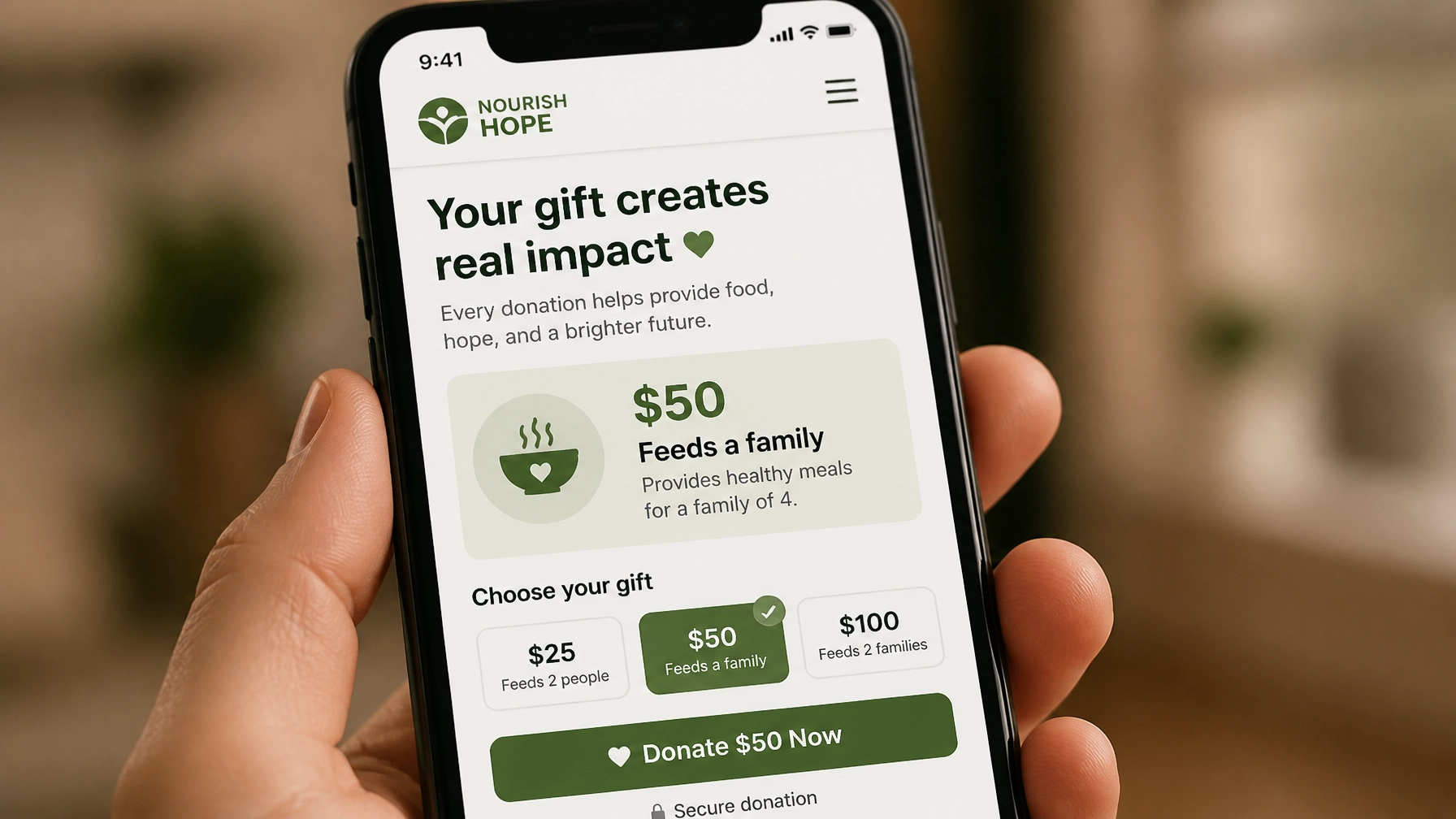
- Above-the-Fold Clarity: Your homepage headline must instantly communicate your core mission and target audience. No fluff.
- Frictionless Donation Flows: Optimized donation pages can increase conversion rates by up to 300%. This means suggested giving amounts tied to tangible impact (e.g., "$50 funds a warm meal for three families"), multiple payment methods (including Apple Pay and Google Pay), and minimal form fields.
- Strategic Trust Signals: Prominently display your Canadian charity registration number, impact metrics, and security badges. Donors want to know their money is safe and making a difference.
When you look at our client success stories, the common denominator is clear: every design decision is tied to a specific action: whether that’s a monthly recurring donation, a volunteer application, or a newsletter subscription.
2. AEO (Answer Engine Optimization): Winning the AI Search Era
Search has changed dramatically. Donors and volunteers aren't just typing keywords into Google anymore; they are asking AI answer engines like Perplexity, ChatGPT, and Bing Copilot conversational questions like:
"How do I support refugee integration programs in Montreal?" or "Which Vancouver environmental charities offer tax receipts?"
If your website isn't optimized for Answer Engine Optimization (AEO), AI assistants won't know you exist: and they'll recommend someone else.
How to Make Your Nonprofit AI-Readable
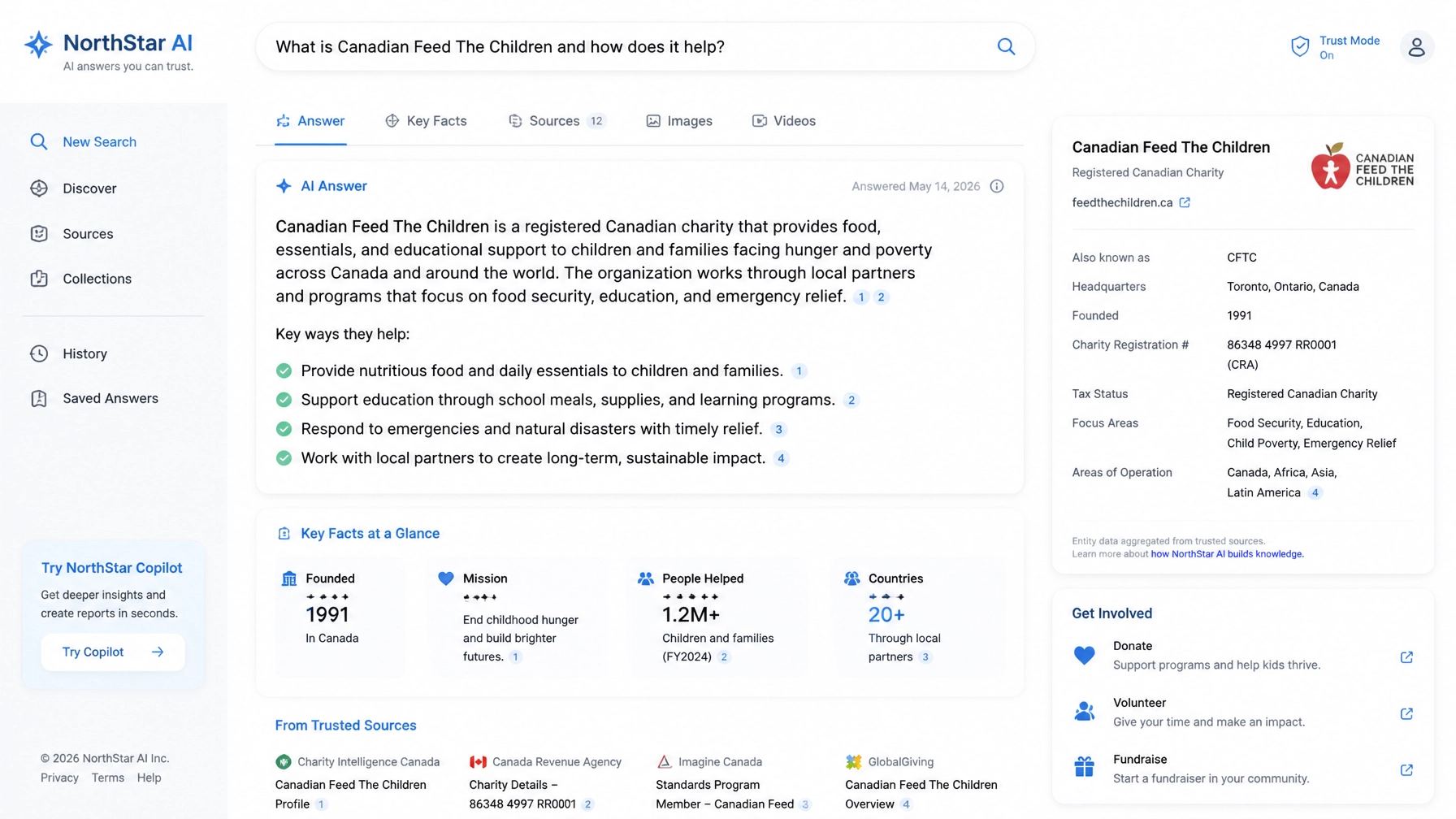
- Structured Data (JSON-LD Schema): Implement Organization, Service, and FAQ schema markup. This tells AI engines exactly who you are, your charity status, and what programs you run.
- Natural Language Q&A: Build a dedicated, comprehensive FAQ page that answers questions the way real people ask them (e.g., "How do I get a tax receipt for my monthly donation in Canada?").
- Entity-Rich Content: Clearly state your geographic focus, the populations you serve, and measurable outcomes. AI loves concrete facts and verifiable statistics over vague mission statements.
By structuring your content for AI engines, you position your organization as the definitive authority in your sector across Canada.
3. Why Webflow is the Ultimate Platform for Canadian Nonprofits
When building a conversion-focused, AEO-ready website, the underlying technology matters immensely. That is why we specialize in Webflow for our nonprofit and purpose-led clients.
Key Advantages for the Sector
- 50% Nonprofit Discounts: Webflow offers a significant discount on CMS and Business site plans for verified Canadian registered charities, making enterprise-grade technology budget-friendly.
- Empowered Internal Teams: Once our 7-step process is complete, your communications team can update impact stories, launch campaign landing pages, and publish blog posts without needing a developer on retainer.
- Lightning-Fast Performance & Security: Speed is a massive ranking factor for both traditional SEO and AEO. Webflow’s clean code and global CDN ensure your site loads instantly on mobile devices: crucial given that over 60% of nonprofit traffic originates on smartphones.
- Granular Custom Code Access: Webflow allows seamless injection of custom JSON-LD schema, advanced analytics, and CRM integrations without bloated plugins.
4. Regional Relevance: Connecting Across Canadian Markets
Canada is a vast, diverse federation, and regional nuances matter deeply to donors and community stakeholders.
- Montreal & Quebec: Organizations operating in Quebec often require bilingual (English/French) digital experiences. A robust Webflow CMS setup allows you to manage localized content seamlessly while ensuring search and AI engines index both language entities correctly.
- Toronto & Ottawa: As national hubs for philanthropy, policy, and federal grants, nonprofits here face fierce competition for donor attention. High-end design and razor-sharp value propositions cut through the corporate noise.
- Vancouver & British Columbia: Environmental and community-focused nonprofits in BC thrive on visual storytelling. Authentic imagery and mobile-first donation experiences capture the region's active, outdoor-focused donor base.
Wherever your headquarters are located, your digital presence must reflect local trust while scaling national impact.
5. Visual Standards: Authentic Impact Over Stock Clichés
Nothing erodes donor trust faster than generic corporate stock photos of smiling people in business suits shaking hands. Your organization does real work with real people: your imagery should prove it.
- Ditch the Stock Photos: Use authentic photography of your actual programs, volunteers, and community members (with proper consent).
- Show, Don’t Tell: Pair emotional storytelling with hard data. If a photo shows a community garden initiative, include a caption or overlay highlighting how many pounds of fresh produce were harvested last season.
- Design with Empathy: Maintain accessible color contrast, legible typography, and intuitive navigation that welcomes supporters of all abilities.
Ready to Maximize Your Nonprofit's Digital Impact?
If your website isn't pulling its weight, you don't need another expensive redesign that only focuses on aesthetics. You need a conversion-driven, AEO-optimized digital asset built on Webflow that turns casual visitors into passionate advocates.
At Arch Impact Studio, we partner with mission-driven leaders across Canada to build websites that justify their board's investment and drive measurable outcomes.
Book a discovery call with our team today or learn more about our approach to see how we can help your organization thrive in 2026 and beyond.