Conversion-Focused Web Design & AEO: How Canadian Nonprofits Can Maximize Digital Impact in 2026

If you lead a Canadian nonprofit or charity in 2026, you already know the stakes. Budgets are tight, donor expectations are higher than ever, and your board demands measurable outcomes for every dollar spent. But here is the hard truth: if your website is still treated as a static digital brochure, you are quietly losing donors, volunteers, and grants to organizations that adapt faster. Across Montreal, Toronto, Ottawa, and Vancouver, purpose-led organizations are facing a dual challenge. Traditional search engine optimization (SEO) is no longer enough. Today, your prospective donors and beneficiaries are asking AI answer engines: like ChatGPT, Perplexity, and Copilot: for recommendations. This shift has given birth to Answer Engine Optimization (AEO) . When paired with conversion-focused web design built on modern platforms like Webflow , AEO transforms your website from an invisible digital expense into a high-performing growth engine. Let’s dive right in and explore how your organization can maximize its digital impact this year. TL;DR: What You Need to Know The Shift: Search has evolved. In 2026, users rely on AI answer engines to find charities, check impact metrics, and decide where to donate. AEO ensures AI systems cite your organization as a trusted source of truth. The Platform: Webflow CMS offers Canadian nonprofits the speed, scalability, and security they need without the plugin bloat of legacy platforms. The Local Edge: Whether you operate in bilingual Montreal, corporate Toronto, policy-driven Ottawa, or community-focused Vancouver, structured content connects you directly with local stakeholders. The Bottom Line: Beautiful design isn't enough. Every page must guide visitors toward a clear, frictionless action: whether that is donating, volunteering, or applying for services. 1. What is AEO, and Why Does It Matter for Canadian Nonprofits? The takeaway? Classic SEO was about ranking for keywords like "Montreal youth charity donate" or "Toronto food bank volunteer." AEO is about structuring your information so that AI systems can read, understand, and directly quote your organization when someone asks complex questions. When a potential donor asks an AI assistant: "Which environmental charities in British Columbia have the highest verifiable impact on old-growth forests?" or "How do I claim a tax receipt for a monthly donation in Ontario?" , the AI doesn't just read a list of blue links. It scans the web for structured, authoritative answers. If your nonprofit’s website features clear, direct answers backed by structured data, the AI will pull your content front and center. If your answers are buried inside dense, multi-paragraph PDF annual reports from 2022, you remain invisible. Core AEO Tactics for Mission-Driven Organizations: Write as Answers, Not Essays: Structure your key pages around the exact questions your donors and beneficiaries are asking. Implement JSON-LD Schema: Use machine-readable code (Organization, Service, and FAQPage schema) so search engines and AI crawlers instantly recognize your registration status, mission, and program details. Publish Transparent Impact Data: AI engines favor credibility. Name your experts, cite verifiable statistics, and keep your program pages updated. 2. Why Webflow CMS is the Ultimate Weapon for Nonprofits When building a conversion-focused website that supports both human donors and machine AI crawlers, your underlying technology matters immensely. At Arch Impact Studio , we transitioned our primary focus to mission-driven organizations because we saw too many charities struggling with bloated, insecure WordPress sites that required constant plugin updates and developer intervention. For a deeper dive into how platform choices impact your organization, explore our insights on Arch Impact Studio . Here is why Webflow has become the gold standard for Canadian nonprofits: Unmatched Speed and Security Nonprofit websites are frequent targets for automated spam and vulnerabilities when using outdated content management systems. Webflow’s enterprise-grade hosting infrastructure is lightning-fast, highly secure, and requires zero plugin management. When a donor lands on your site via an AI citation, page load speed can make or break the contribution. Rapid Deployment of Donation-Centric Layouts Need to launch an emergency relief campaign or a year-end giving drive within days? Webflow’s visual canvas and modular CMS allow our team to rapidly deploy conversion-optimized landing pages, impact calculators, and donor portals without sacrificing custom branding or accessibility standards. Board-Friendly Content Control Your communications team shouldn't need a computer science degree to update a blog post, add a new board member, or publish a quarterly impact report. Webflow’s Editor interface lets internal staff update content safely while preserving brand guardrails and structural integrity. 3. Localizing Your Digital Impact Across Canada Canada is a vast, culturally diverse nation. A cookie-cutter national homepage rarely resonates with local donors in downtown Toronto, bilingual communities in Montreal, policymakers in Ottawa, or environmental advocates in Vancouver. Bilingual Readiness in Montreal and Ottawa If your organization serves communities in Quebec or the National Capital Region, offering a seamless bilingual digital experience is non-negotiable. Webflow’s localization capabilities allow nonprofits to manage French and English content structures cleanly under localized subpaths or domains, signaling absolute professionalism to French-speaking donors and government partners. Tailoring Content for Regional Donors Toronto: Corporate philanthropy and high-net-worth individual giving dominate. Your site needs clear accountability metrics, annual reports, and enterprise partnership pathways. Vancouver: Deep community engagement around environmental and social causes. Storytelling, impact transparency, and volunteer onboarding workflows must be front and center. 4. Turning Traffic Into Action: The Conversion Framework Visibility and AEO get people to your digital doorstep, but conversion design is what turns a curious browser into an active supporter. When working with mission-driven clients, we adhere to a rigorous Arch Impact Studio Process designed to align creative vision with measurable outcomes: Single-Minded Page Objectives: Every page on your site should have one primary goal. If a page is about your youth mentorship program, the call to action shouldn't be buried beneath three competing buttons for newsletter signups, merch sales, and annual gala tickets. Frictionless Donation Flows: Donors will abandon a contribution form if it takes more than a minute to complete or if mobile responsiveness is clunky. We integrate streamlined, secure donation processors that build trust instantly. Story-Driven Proof: Combine hard impact statistics with authentic visual storytelling. Show real faces, real communities, and concrete before-and-after milestones. Our work has been recognized nationally: earning top rankings on platforms like Clutch: because we refuse to separate gorgeous design from real-world fundraising results. You can view examples of our purpose-led digital transformations in our Arch Impact Studio Work portfolio . The Takeaway? Make Your Mission Impossible to Ignore Your organization does vital, life-changing work. Your digital presence should reflect the true caliber of your mission: not hold it back. By combining Answer Engine Optimization (AEO) to capture AI search visibility with conversion-focused Webflow design to turn visitors into passionate advocates, Canadian nonprofits can scale their impact further and faster than ever before. Ready to see how your nonprofit's website can drive more donations, volunteers, and community impact this year? Let’s start a conversation. 👉 Book a discovery consultation with Arch Impact Studio today and let's make your mission impossible to ignore.

Rhami Aboud
Want Help With Your Website?

Book a call directly with our CEO, Rhami Aboud. We have 7 years experience creating high-converting SaaS websites that elevate your brand and are built to generate leads.

Book A Call
CEO - Rhami Aboud

If you lead a Canadian nonprofit or charity in 2026, you already know the stakes. Budgets are tight, donor expectations are higher than ever, and your board demands measurable outcomes for every dollar spent. But here is the hard truth: if your website is still treated as a static digital brochure, you are quietly losing donors, volunteers, and grants to organizations that adapt faster.

Across Montreal, Toronto, Ottawa, and Vancouver, purpose-led organizations are facing a dual challenge. Traditional search engine optimization (SEO) is no longer enough. Today, your prospective donors and beneficiaries are asking AI answer engines: like ChatGPT, Perplexity, and Copilot: for recommendations. This shift has given birth to Answer Engine Optimization (AEO).

When paired with conversion-focused web design built on modern platforms like Webflow, AEO transforms your website from an invisible digital expense into a high-performing growth engine.

Let’s dive right in and explore how your organization can maximize its digital impact this year.


TL;DR: What You Need to Know

  • The Shift: Search has evolved. In 2026, users rely on AI answer engines to find charities, check impact metrics, and decide where to donate. AEO ensures AI systems cite your organization as a trusted source of truth.
  • The Platform: Webflow CMS offers Canadian nonprofits the speed, scalability, and security they need without the plugin bloat of legacy platforms.
  • The Local Edge: Whether you operate in bilingual Montreal, corporate Toronto, policy-driven Ottawa, or community-focused Vancouver, structured content connects you directly with local stakeholders.
  • The Bottom Line: Beautiful design isn't enough. Every page must guide visitors toward a clear, frictionless action: whether that is donating, volunteering, or applying for services.

1. What is AEO, and Why Does It Matter for Canadian Nonprofits?

The takeaway? Classic SEO was about ranking for keywords like "Montreal youth charity donate" or "Toronto food bank volunteer." AEO is about structuring your information so that AI systems can read, understand, and directly quote your organization when someone asks complex questions.
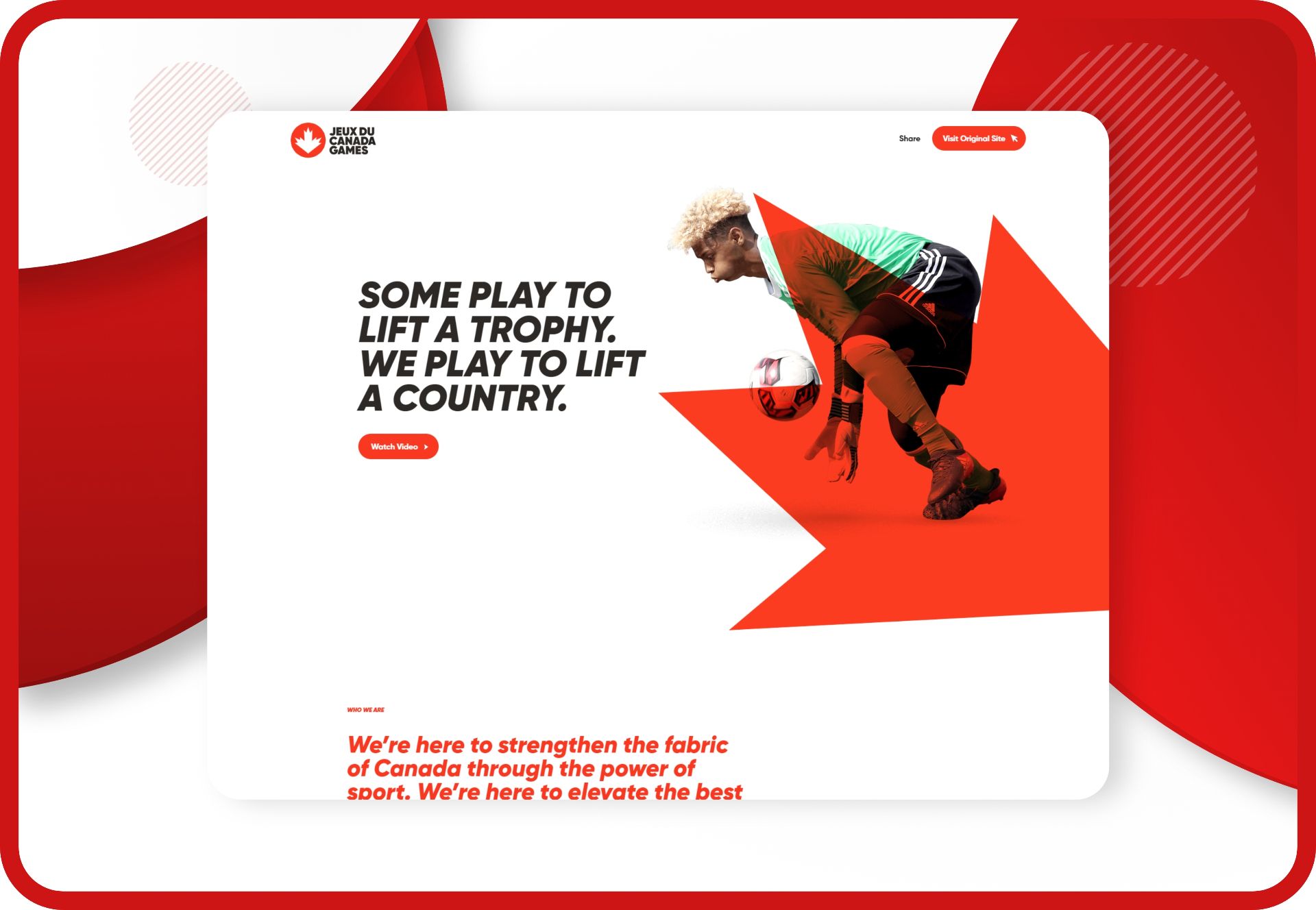
Canada Games red brand and website mockup

When a potential donor asks an AI assistant: "Which environmental charities in British Columbia have the highest verifiable impact on old-growth forests?" or "How do I claim a tax receipt for a monthly donation in Ontario?", the AI doesn't just read a list of blue links. It scans the web for structured, authoritative answers.

If your nonprofit’s website features clear, direct answers backed by structured data, the AI will pull your content front and center. If your answers are buried inside dense, multi-paragraph PDF annual reports from 2022, you remain invisible.

Core AEO Tactics for Mission-Driven Organizations:

  1. Write as Answers, Not Essays: Structure your key pages around the exact questions your donors and beneficiaries are asking.
  2. Implement JSON-LD Schema: Use machine-readable code (Organization, Service, and FAQPage schema) so search engines and AI crawlers instantly recognize your registration status, mission, and program details.
  3. Publish Transparent Impact Data: AI engines favor credibility. Name your experts, cite verifiable statistics, and keep your program pages updated.

2. Why Webflow CMS is the Ultimate Weapon for Nonprofits

When building a conversion-focused website that supports both human donors and machine AI crawlers, your underlying technology matters immensely.

At Arch Impact Studio, we transitioned our primary focus to mission-driven organizations because we saw too many charities struggling with bloated, insecure WordPress sites that required constant plugin updates and developer intervention. For a deeper dive into how platform choices impact your organization, explore our insights on Arch Impact Studio.

Here is why Webflow has become the gold standard for Canadian nonprofits:

Unmatched Speed and Security

Nonprofit websites are frequent targets for automated spam and vulnerabilities when using outdated content management systems. Webflow’s enterprise-grade hosting infrastructure is lightning-fast, highly secure, and requires zero plugin management. When a donor lands on your site via an AI citation, page load speed can make or break the contribution.

Rapid Deployment of Donation-Centric Layouts

Need to launch an emergency relief campaign or a year-end giving drive within days? Webflow’s visual canvas and modular CMS allow our team to rapidly deploy conversion-optimized landing pages, impact calculators, and donor portals without sacrificing custom branding or accessibility standards.

Board-Friendly Content Control

Your communications team shouldn't need a computer science degree to update a blog post, add a new board member, or publish a quarterly impact report. Webflow’s Editor interface lets internal staff update content safely while preserving brand guardrails and structural integrity.


3. Localizing Your Digital Impact Across Canada

Canada is a vast, culturally diverse nation. A cookie-cutter national homepage rarely resonates with local donors in downtown Toronto, bilingual communities in Montreal, policymakers in Ottawa, or environmental advocates in Vancouver.
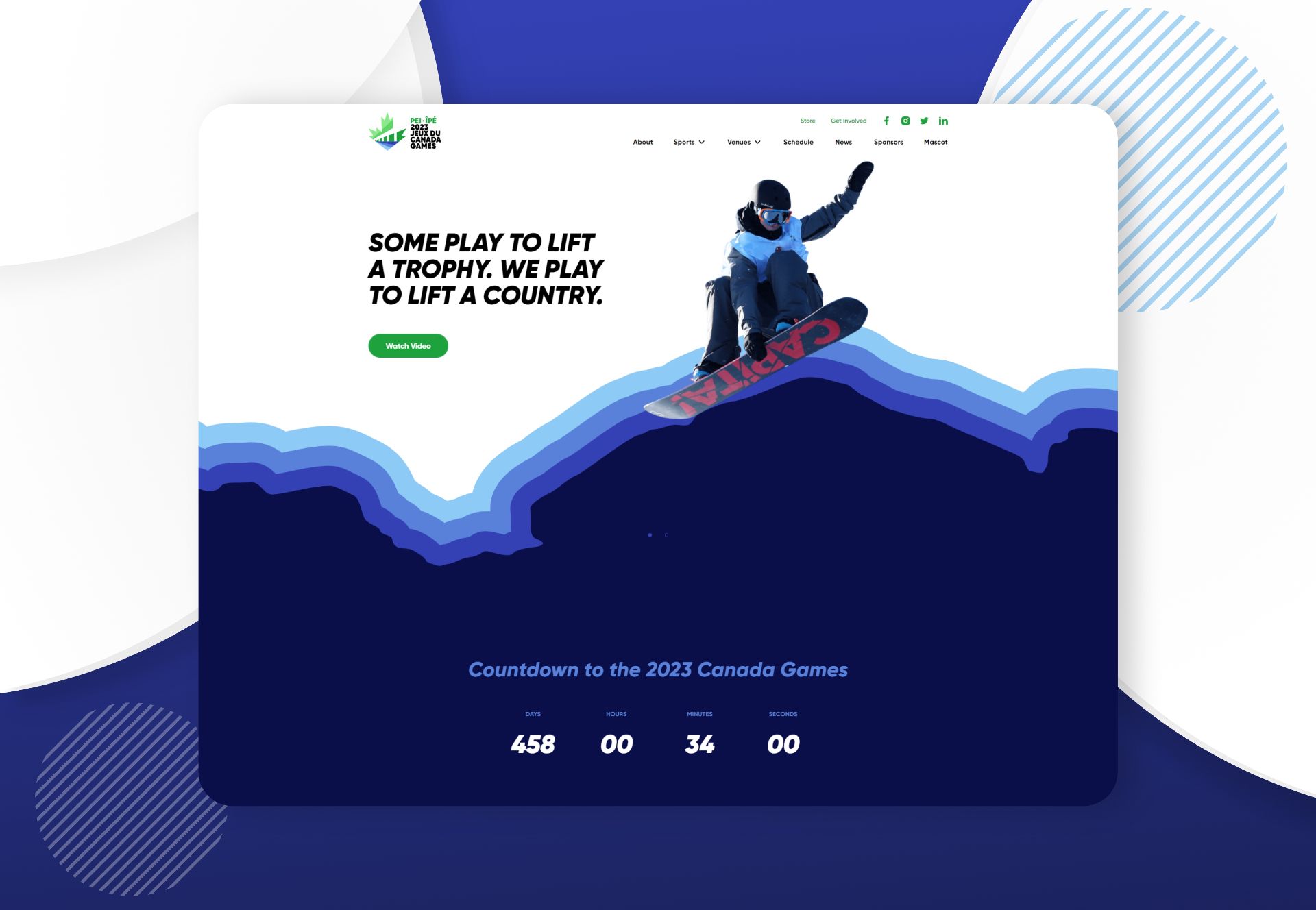
Canada Games PEI blue and teal website mockup

Bilingual Readiness in Montreal and Ottawa

If your organization serves communities in Quebec or the National Capital Region, offering a seamless bilingual digital experience is non-negotiable. Webflow’s localization capabilities allow nonprofits to manage French and English content structures cleanly under localized subpaths or domains, signaling absolute professionalism to French-speaking donors and government partners.

Tailoring Content for Regional Donors

  • Toronto: Corporate philanthropy and high-net-worth individual giving dominate. Your site needs clear accountability metrics, annual reports, and enterprise partnership pathways.
  • Vancouver: Deep community engagement around environmental and social causes. Storytelling, impact transparency, and volunteer onboarding workflows must be front and center.

4. Turning Traffic Into Action: The Conversion Framework

Visibility and AEO get people to your digital doorstep, but conversion design is what turns a curious browser into an active supporter.

When working with mission-driven clients, we adhere to a rigorous Arch Impact Studio Process designed to align creative vision with measurable outcomes:

  • Single-Minded Page Objectives: Every page on your site should have one primary goal. If a page is about your youth mentorship program, the call to action shouldn't be buried beneath three competing buttons for newsletter signups, merch sales, and annual gala tickets.
  • Frictionless Donation Flows: Donors will abandon a contribution form if it takes more than a minute to complete or if mobile responsiveness is clunky. We integrate streamlined, secure donation processors that build trust instantly.
  • Story-Driven Proof: Combine hard impact statistics with authentic visual storytelling. Show real faces, real communities, and concrete before-and-after milestones.

Clutch Top Web Design Company Canada Award Badge

Our work has been recognized nationally: earning top rankings on platforms like Clutch: because we refuse to separate gorgeous design from real-world fundraising results. You can view examples of our purpose-led digital transformations in our Arch Impact Studio Work portfolio.


The Takeaway? Make Your Mission Impossible to Ignore

Your organization does vital, life-changing work. Your digital presence should reflect the true caliber of your mission: not hold it back.

By combining Answer Engine Optimization (AEO) to capture AI search visibility with conversion-focused Webflow design to turn visitors into passionate advocates, Canadian nonprofits can scale their impact further and faster than ever before.

Ready to see how your nonprofit's website can drive more donations, volunteers, and community impact this year? Let’s start a conversation.

👉 Book a discovery consultation with Arch Impact Studio today and let's make your mission impossible to ignore.


Conclusion

If you lead a Canadian nonprofit or charity in 2026, you already know the stakes. Budgets are tight, donor expectations are higher than ever, and your board demands measurable outcomes for every dollar spent. But here is the hard truth: if your website is still treated as a static digital brochure, you are quietly losing donors, volunteers, and grants to organizations that adapt faster.

Across Montreal, Toronto, Ottawa, and Vancouver, purpose-led organizations are facing a dual challenge. Traditional search engine optimization (SEO) is no longer enough. Today, your prospective donors and beneficiaries are asking AI answer engines: like ChatGPT, Perplexity, and Copilot: for recommendations. This shift has given birth to Answer Engine Optimization (AEO).

When paired with conversion-focused web design built on modern platforms like Webflow, AEO transforms your website from an invisible digital expense into a high-performing growth engine.

Let’s dive right in and explore how your organization can maximize its digital impact this year.


TL;DR: What You Need to Know

  • The Shift: Search has evolved. In 2026, users rely on AI answer engines to find charities, check impact metrics, and decide where to donate. AEO ensures AI systems cite your organization as a trusted source of truth.
  • The Platform: Webflow CMS offers Canadian nonprofits the speed, scalability, and security they need without the plugin bloat of legacy platforms.
  • The Local Edge: Whether you operate in bilingual Montreal, corporate Toronto, policy-driven Ottawa, or community-focused Vancouver, structured content connects you directly with local stakeholders.
  • The Bottom Line: Beautiful design isn't enough. Every page must guide visitors toward a clear, frictionless action: whether that is donating, volunteering, or applying for services.

1. What is AEO, and Why Does It Matter for Canadian Nonprofits?

The takeaway? Classic SEO was about ranking for keywords like "Montreal youth charity donate" or "Toronto food bank volunteer." AEO is about structuring your information so that AI systems can read, understand, and directly quote your organization when someone asks complex questions.

Canada Games red brand and website mockup

When a potential donor asks an AI assistant: "Which environmental charities in British Columbia have the highest verifiable impact on old-growth forests?" or "How do I claim a tax receipt for a monthly donation in Ontario?", the AI doesn't just read a list of blue links. It scans the web for structured, authoritative answers.

If your nonprofit’s website features clear, direct answers backed by structured data, the AI will pull your content front and center. If your answers are buried inside dense, multi-paragraph PDF annual reports from 2022, you remain invisible.

Core AEO Tactics for Mission-Driven Organizations:

  1. Write as Answers, Not Essays: Structure your key pages around the exact questions your donors and beneficiaries are asking.
  2. Implement JSON-LD Schema: Use machine-readable code (Organization, Service, and FAQPage schema) so search engines and AI crawlers instantly recognize your registration status, mission, and program details.
  3. Publish Transparent Impact Data: AI engines favor credibility. Name your experts, cite verifiable statistics, and keep your program pages updated.

2. Why Webflow CMS is the Ultimate Weapon for Nonprofits

When building a conversion-focused website that supports both human donors and machine AI crawlers, your underlying technology matters immensely.

At Arch Impact Studio, we transitioned our primary focus to mission-driven organizations because we saw too many charities struggling with bloated, insecure WordPress sites that required constant plugin updates and developer intervention. For a deeper dive into how platform choices impact your organization, explore our insights on Arch Impact Studio.

Here is why Webflow has become the gold standard for Canadian nonprofits:

Unmatched Speed and Security

Nonprofit websites are frequent targets for automated spam and vulnerabilities when using outdated content management systems. Webflow’s enterprise-grade hosting infrastructure is lightning-fast, highly secure, and requires zero plugin management. When a donor lands on your site via an AI citation, page load speed can make or break the contribution.

Rapid Deployment of Donation-Centric Layouts

Need to launch an emergency relief campaign or a year-end giving drive within days? Webflow’s visual canvas and modular CMS allow our team to rapidly deploy conversion-optimized landing pages, impact calculators, and donor portals without sacrificing custom branding or accessibility standards.

Board-Friendly Content Control

Your communications team shouldn't need a computer science degree to update a blog post, add a new board member, or publish a quarterly impact report. Webflow’s Editor interface lets internal staff update content safely while preserving brand guardrails and structural integrity.


3. Localizing Your Digital Impact Across Canada

Canada is a vast, culturally diverse nation. A cookie-cutter national homepage rarely resonates with local donors in downtown Toronto, bilingual communities in Montreal, policymakers in Ottawa, or environmental advocates in Vancouver.

Canada Games PEI blue and teal website mockup

Bilingual Readiness in Montreal and Ottawa

If your organization serves communities in Quebec or the National Capital Region, offering a seamless bilingual digital experience is non-negotiable. Webflow’s localization capabilities allow nonprofits to manage French and English content structures cleanly under localized subpaths or domains, signaling absolute professionalism to French-speaking donors and government partners.

Tailoring Content for Regional Donors

  • Toronto: Corporate philanthropy and high-net-worth individual giving dominate. Your site needs clear accountability metrics, annual reports, and enterprise partnership pathways.
  • Vancouver: Deep community engagement around environmental and social causes. Storytelling, impact transparency, and volunteer onboarding workflows must be front and center.

4. Turning Traffic Into Action: The Conversion Framework

Visibility and AEO get people to your digital doorstep, but conversion design is what turns a curious browser into an active supporter.

When working with mission-driven clients, we adhere to a rigorous Arch Impact Studio Process designed to align creative vision with measurable outcomes:

  • Single-Minded Page Objectives: Every page on your site should have one primary goal. If a page is about your youth mentorship program, the call to action shouldn't be buried beneath three competing buttons for newsletter signups, merch sales, and annual gala tickets.
  • Frictionless Donation Flows: Donors will abandon a contribution form if it takes more than a minute to complete or if mobile responsiveness is clunky. We integrate streamlined, secure donation processors that build trust instantly.
  • Story-Driven Proof: Combine hard impact statistics with authentic visual storytelling. Show real faces, real communities, and concrete before-and-after milestones.

Clutch Top Web Design Company Canada Award Badge

Our work has been recognized nationally: earning top rankings on platforms like Clutch: because we refuse to separate gorgeous design from real-world fundraising results. You can view examples of our purpose-led digital transformations in our Arch Impact Studio Work portfolio.


The Takeaway? Make Your Mission Impossible to Ignore

Your organization does vital, life-changing work. Your digital presence should reflect the true caliber of your mission: not hold it back.

By combining Answer Engine Optimization (AEO) to capture AI search visibility with conversion-focused Webflow design to turn visitors into passionate advocates, Canadian nonprofits can scale their impact further and faster than ever before.

Ready to see how your nonprofit's website can drive more donations, volunteers, and community impact this year? Let’s start a conversation.

👉 Book a discovery consultation with Arch Impact Studio today and let's make your mission impossible to ignore.

Continue your reading with these value-packed posts
mins read
Conversion-Focused Web Design & AEO: The Digital Impact Playbook for Canadian Nonprofits

Your organization is doing meaningful work. But if visitors cannot quickly understand that work, trust your organization, or take the next step, your website is leaving impact on the table. That next step might be: Making a donation Becoming a monthly donor Applying for support Volunteering Registering for an event Joining your email list Sharing your mission Conversion-focused web design helps visitors act. Answer Engine Optimization helps the right people find you in the first place. Together, they turn your website into more than a digital brochure. They make it part of your fundraising, service delivery, and community-building infrastructure. TL;DR: What a high-impact nonprofit website should do A strong Canadian non-profit website should: Explain your mission in plain language. Give every important page one clear primary action. Make donating, volunteering, and applying simple on mobile. Answer real questions from donors and community members. Use structured content that search engines and AI tools can understand. Give your team a flexible CMS for campaigns, programs, and impact stories. Reflect the local realities of the communities you serve. Let’s dive right in. Design around the actions that matter most A nonprofit website does not need more buttons. It needs better decisions about which actions deserve attention. Start by identifying your core conversion journeys: Donate Give monthly Volunteer Apply for support Register for an event Partner with your organization Read an impact story Contact your team Then assign one primary action to each important page. For example: A program page should explain eligibility and lead people toward applying. An impact story should build trust and lead visitors toward donating. An event page should make registration quick. A volunteer page should clearly explain available roles and requirements. A campaign page should focus on one fundraising goal. Clear design is not simplistic design. It is respectful design. Your visitors may be discovering your organization during a stressful, emotional, or time-sensitive moment. Do not make them work to understand how to help. Build a donation journey that reduces friction A donor should not have to search through your navigation to find out how to give. Keep a clear Donate button in your global navigation. Repeat it naturally on relevant program pages, impact stories, campaign pages, and your footer. Your donation page should answer practical questions before the form begins: What will my gift help provide? Who benefits? Can I give once or monthly? Are the amounts shown in Canadian dollars? Who issues my tax receipt? Is the payment process secure? What happens after I donate? A conversion-focused donation page usually includes: Specific impact examples One-time and monthly giving options A small number of suggested gift amounts Short, clearly labelled form fields Accessible mobile design Privacy and payment information A clear receipt and confirmation message Real photography from the communities you serve “Support our work” is vague. “Your gift helps provide fresh groceries to families in Laval” is more concrete: provided the claim is accurate and current. If you use CanadaHelps, Zeffy, or another fundraising platform, the transaction may happen through a third party. That is fine. But the story, trust signals, impact information, and donor experience should still begin on your own website. For official Canadian guidance, link to the Canada Revenue Agency’s charities and giving resources . Why Webflow is a strong fit for Canadian nonprofits Webflow is not a donation processor. You will still need a secure fundraising platform or payment provider. Where Webflow excels is the experience layer: the content, layouts, design system, and publishing workflow that guide people toward action. 1. Scale your content without starting over Your organization may begin with five core pages. Over time, you may need: Programs and services Events Campaigns Impact stories Volunteer opportunities Regional pages Annual reports FAQs Staff and partner profiles Resource libraries Webflow CMS lets your team organize this information into structured collections. A new event or impact story can appear automatically in multiple parts of the website using reusable templates. That means fewer repetitive updates. Better consistency. Less dependency on developers. Our Webflow CMS training guide explains how teams can manage structured content and publish updates more efficiently. 2. Launch donation-centric layouts quickly Nonprofits often work against real deadlines: GivingTuesday Year-end fundraising Emergency appeals Seasonal programs Grant announcements New service launches Community events With Webflow, you can create reusable layouts for donation campaigns, volunteer recruitment, event registration, and program applications. Once the structure is in place, your team can adapt the content without redesigning every page from scratch. 3. Keep the visual experience mission-aligned Donation forms often feel disconnected from the organization they support. Webflow gives you control over the experience around the form: Typography Layout Colour Impact storytelling Trust signals Responsive behaviour Accessibility details Calls to action The result is a donation experience that feels like a natural extension of your brand: not a form pasted into an unrelated website. Arch’s portfolio includes work for purpose-led organizations such as N3O , a nonprofit-focused fundraising technology organization. AEO Canada: make your mission easy for AI search to understand People are increasingly asking complete questions in ChatGPT, Perplexity, Google AI Overviews, and other answer engines. They may search: “Which charities support food security in Toronto?” “Where can I volunteer with youth programs in Montreal?” “What services are available for newcomers in Ottawa?” “How can I support wildfire recovery in British Columbia?” “Are there Canadian nonprofits offering mental health programs for youth?” This is where Answer Engine Optimization , or AEO, becomes useful. AEO is the practice of structuring your website so search engines and AI systems can better understand, extract, and reference your information. It is not a shortcut. Google’s guidance emphasizes “helpful, reliable, people-first content” for both traditional search and AI features. In other words, the best AEO strategy is also good communication. Use natural-language questions and direct answers For each important page or section: Put a real question in the heading. Answer it directly in one or two sentences. Add supporting details, evidence, and context. End with a relevant next step. For example: Who does your Montreal food security program support? We provide grocery support and community food programs for low-income families and individuals across selected Montreal neighbourhoods. Eligibility depends on household needs, location, and program availability. Then add: Eligibility requirements Service locations Program hours Application steps Accessibility information A clear “Get support” CTA Another example: How can I volunteer with our organization in Toronto? We match volunteers with community programs in Toronto based on their interests, availability, and location. Most roles require a weekly commitment of two to four hours, and orientation is provided before your first shift. That answer is useful to a person. It is also easier for AI systems to interpret. Avoid vague headings like “Our Approach” when your audience is really asking, “How does your program work?” Write the way your community speaks. Structure content for people first Useful AEO content often includes: Descriptive page titles One clear H1 per page Logical H2 and H3 headings Short paragraphs Bulleted lists Internal links Current statistics Consistent organization and location details Visible FAQ sections Relevant structured data You can add Organization , NonprofitOrganization , Article , Event , Service , and FAQPage schema where appropriate. But your schema must match the content people can actually see. Structured data supports useful content. It does not replace it. Make regional relevance useful, not decorative A Canadian nonprofit website should reflect the communities it serves. Montreal web design Montreal organizations often communicate with French- and English-speaking audiences. For bilingual organizations, translation is only the starting point. Your English and French experiences should both include: Donation information Program eligibility Contact details Tax receipt information Impact stories Accessibility guidance Clear language switching A thoughtful Montreal web design strategy treats bilingual content as part of trust and accessibility: not a last-minute add-on. Toronto web design Toronto has a dense and competitive nonprofit ecosystem. A general statement about “serving the community” may not be enough. Visitors need to know: Which neighbourhoods you serve Who your programs are for What makes your approach different How to access support How partners and volunteers can participate Strong Toronto web design should help users move from “I need help” to “This is the right program for me.” Ottawa web design Ottawa’s nonprofit landscape often intersects with government, policy, advocacy, research, and national organizations. Your website may serve residents, donors, volunteers, policymakers, journalists, and institutional partners. Use clear pathways for each audience. Explain your mandate, evidence, partnerships, governance, and outcomes without making the site feel overwhelming. Vancouver web design Vancouver and British Columbia have distinct conversations around housing, climate response, Indigenous-led initiatives, food access, and community resilience. Show where your work happens. Use authentic local stories. Include service areas, access information, and current program details. Do not create thin location pages that simply swap one city name for another. Regional content should include real local context and useful answers. Measure digital impact beyond traffic Traffic is useful. But it is not the outcome. Track the actions that matter to your mission: Donation completion rate Monthly donor conversion rate Volunteer application completion Program applications Event registrations Newsletter signups Clicks from impact stories Visits to regional program pages Mobile versus desktop performance Common questions your website still fails to answer Review analytics alongside feedback from staff and community members. If people continue calling to ask questions your website should answer, that is a content and user-experience signal. A successful non-profit website reduces uncertainty. It helps the right person understand what you do, decide whether your organization is credible, and take action with confidence. A practical 30-day improvement plan You do not need to rebuild everything at once. Week 1: Clarify Assign one primary conversion to each key page. Add a clear Donate button to your navigation. List the top questions asked by donors, volunteers, and participants. Week 2: Restructure Rewrite vague headings as natural-language questions. Add direct answers near the top of important pages. Link programs to impact stories, reports, and donation paths. Week 3: Reduce friction Test donation, volunteer, and application journeys on mobile. Remove unnecessary form fields. Clarify tax receipts, privacy, security, and confirmation messages. Review keyboard navigation, contrast, labels, and image alt text. Week 4: Measure Track conversions, not just sessions. Compare high-intent pages with low-action rates. Improve the pages where visitors are interested but hesitant. Your mission deserves a website that carries its weight Whether you are looking for non-profit web design , a charity website agency , a mission-driven website agency , or a Webflow developer Canada nonprofits can rely on, choose a partner that connects design decisions to measurable outcomes. That means: Better donation journeys Clearer program information Stronger local relevance More accessible content Smarter CMS architecture More discoverable answers A visual identity that feels human and specific At Arch Impact Studio , we build brands and Webflow websites for organizations with something meaningful to move forward. If your website is losing donors, volunteers, applicants, or community members, book a consultation . We will help you identify the highest-impact opportunities and build a practical path toward a more visible, trusted, and effective digital presence. Your mission is already making an impact. Let’s make it easier for more people to find it, understand it, and support it.

mins read
Conversion-Focused Web Design & AEO for Canadian Nonprofits: Turning Website Visitors into Donors

Your nonprofit may be doing meaningful work. But if your website is unclear, slow, difficult to navigate, or disconnected from the way people give today, visitors may leave before they ever become donors, volunteers, applicants, or advocates. That gap matters. Canadian nonprofits are operating in a challenging funding environment. Donor participation has declined, demand for services remains high, and organizations are competing for attention across search engines, social media, email, and increasingly, AI-generated answers. A conversion-focused website helps you make the most of every visit. Answer Engine Optimization (AEO) helps more people discover you in tools such as ChatGPT, Google AI Overviews, and Perplexity. Together, they turn your website into a more effective part of your mission. The challenge: your website has to earn trust quickly Canadian donors are researching organizations before they give. They want to understand: Who do you help? Where do you work? What does a donation make possible? Is your organization trustworthy? Can I donate securely? Will I receive a tax receipt? What other ways can I support you? The CanadaHelps 2023 Giving Report found that charitable giving participation in Canada fell to 18.4% in 2020, down from 23.4% in 2010. The same report found that December consistently contributes approximately 30% of annual online donations. This creates two important priorities: Make every donation journey as clear and frictionless as possible. Build trust before the donor reaches the donation form. As CanadaHelps puts it, “The health of charities doesn’t just mean the health of the charitable sector, it means the health of our country.” Your website is part of that infrastructure. What conversion-focused nonprofit web design actually means Conversion-focused design is not about adding more buttons or making your homepage look trendier. It is about helping the right person take the right next step. For a nonprofit, that next step might be: Making a one-time or monthly donation Registering for an event Applying for a program Volunteering Joining your email list Downloading a report Contacting your team Sharing your work with someone else TL;DR A high-converting nonprofit website connects mission, proof, and action. A strong homepage should quickly communicate: Your mission: What change are you creating? Your audience: Who benefits from your work? Your geography: Where do you operate? Your evidence: What have you achieved? Your next step: How can someone help? The best donation pages then remove unnecessary friction. They use clear gift amounts, concise explanations, mobile-friendly forms, secure payment experiences, and specific impact language. “Help support our work” is vague. “$50 provides a newcomer family with a week of fresh groceries in East Toronto” is more concrete. It gives the donor a reason to act. Regional relevance: one Canadian market does not behave like another Your city should influence your content, examples, visuals, and calls to action. A nonprofit serving Montreal should not necessarily sound or look like one serving Vancouver. Montreal Montreal organizations often operate across French- and English-speaking communities, with culturally diverse audiences and a strong local identity. Your website should make language options obvious and avoid treating bilingual content as an afterthought. For Montreal nonprofits, consider: Clear English and French pathways Neighbourhood-level impact stories Accessible explanations of programs and eligibility Photography that reflects real local communities Donation messaging connected to housing, food security, arts, health, or newcomer support where relevant A bilingual experience is not simply a translation project. The tone, examples, and calls to action should feel natural in both languages. Toronto Toronto has a large and highly competitive nonprofit ecosystem. Organizations are often speaking to donors, volunteers, foundations, corporate partners, and program participants at the same time. Your site needs strong information architecture. Create clear pathways for each audience instead of forcing everyone through the same generic “Get Involved” page. Toronto-focused content may benefit from: Neighbourhood-specific impact pages Clear corporate partnership information Strong accessibility standards Stories that reflect the city’s diversity Simple explanations of how your programs complement public services Ottawa Ottawa’s nonprofit landscape often intersects with government, policy, advocacy, research, and national organizations. Credibility and mandate clarity are especially important. Your website should clearly explain: Your policy or program position The communities you serve Your evidence and methodology Your governance and accountability How donors, volunteers, and decision-makers can participate A well-structured “Our impact” section can support both fundraising and stakeholder engagement. Vancouver Vancouver nonprofits frequently work within conversations around housing affordability, climate, environmental protection, Indigenous rights, homelessness, and community resilience. Place-based storytelling is powerful here. Show what your work looks like in real communities, while being precise about partnerships, consent, and representation. The takeaway? Local relevance builds trust. Generic messaging wastes it. Why Webflow is a strong fit for Canadian nonprofits Webflow is not a donation processor. You will still need a fundraising platform, payment provider, CRM, or third-party form solution that fits your organization. Where Webflow excels is the experience layer: the pages, content structure, design system, and publishing workflow that guide people toward action. 1. Rapid deployment for campaigns Nonprofits often need to move quickly around GivingTuesday, year-end tax deadlines, emergency appeals, seasonal programs, or grant announcements. Webflow makes it easier to create and publish campaign-focused layouts without rebuilding the entire site. A reusable donation campaign template can include: Impact statistics A featured story Donation amounts A progress indicator Trust and security information A focused call to action Your team can then adapt that structure for different campaigns. 2. Scalable content management Webflow CMS allows your team to manage structured content without editing every page manually. You can create collections for: Impact stories Programs Events Volunteer opportunities Staff and board members Locations FAQs Reports and resources This is particularly useful for organizations growing across multiple neighbourhoods or cities. Arch’s Webflow training guide explains how teams can manage CMS content, publish updates, and collaborate without touching code. 3. Strong design control Donation pages need to be focused, but they should still feel like your organization. Webflow gives designers precise control over hierarchy, spacing, responsive layouts, typography, interactions, and accessibility details. That means your donation experience can feel human and mission-aligned rather than like an embedded form pasted into an unrelated website. 4. Easier iteration Conversion work is not finished at launch. You should be able to improve your site based on data. Track: Donation conversion rate Form completion rate Mobile versus desktop performance Monthly donor sign-ups Volunteer applications Email subscriptions Clicks on impact stories Traffic from organic and AI-driven sources Then improve the pages that matter most. Our N3O case study is a relevant example of redesigning a website for an organization that helps charities manage donors, collect funds, and grow fundraising. AEO: helping AI systems understand your organization Search behaviour is changing. People increasingly ask complete questions instead of typing short keywords. They may ask: “Which Montreal nonprofits support newcomer families?” “How can I volunteer with a food bank in Toronto?” “What charities help with housing in Vancouver?” “How does this Ottawa nonprofit use donations?” Answer Engine Optimization, or AEO, is the practice of structuring your content so search engines and answer engines can understand, trust, and reference it. It is not a shortcut. No agency can guarantee that ChatGPT or Google will recommend your organization. But you can make your information easier to interpret. Build direct answers into your website Create pages and sections that answer real donor questions in plain language: What does your nonprofit do? Who do you serve? Where do you operate? How are donations used? Are donations tax-deductible? How can I volunteer? What programs are available? What impact has your organization created? Lead with the answer. Add context afterward. For example: How does [Organization Name] use donations? Donations fund free after-school programs for youth in Montreal’s underserved neighbourhoods, including trained staff, transportation, meals, and learning materials. That answer is useful to people and easier for AI systems to understand. Use structure, not keyword stuffing AEO-friendly content usually includes: Descriptive page titles One clear H1 per page Logical H2 and H3 headings Short paragraphs Bulleted lists Internal links between related pages Updated statistics Organization and FAQ schema where appropriate Consistent name, location, and mission information Your content should sound natural. Write for people first. Demonstrate authority AI systems and donors both need signals of credibility. Make important information easy to find: Charity registration details Annual reports Financial information Board and leadership profiles Program outcomes Partner organizations Media coverage Testimonials and community feedback Methodology behind your research This content supports fundraising, grant applications, partnerships, and AI visibility at the same time. A practical roadmap for your organization You do not need to redesign everything at once. Start with this sequence: Audit your highest-value journeys. Review the homepage, donation page, program pages, volunteer page, and contact page. Identify the biggest conversion problem. Is the issue unclear messaging, weak calls to action, slow pages, poor mobile usability, or a complicated form? Rewrite your core answers. Clarify who you help, where you work, what changes, and how people can participate. Create a focused donation experience. Reduce distractions, explain impact, and make the next step obvious. Build structured content in Webflow. Use CMS collections for stories, programs, events, resources, and FAQs. Measure outcomes. Report improvements in donations, applications, volunteers, email subscribers, and engagement: not just page views. Your mission deserves a website that carries its weight Your website is not a brochure. It is part of your fundraising infrastructure, volunteer pipeline, public education strategy, and relationship with the community. A conversion-focused Webflow website can help you communicate with more clarity. A thoughtful AEO strategy can help the right people find those answers through search and AI tools. At Arch Impact Studio , we build brands and websites for mission-driven organizations that need their digital presence to reflect the quality of their work: and create measurable outcomes. If your website is attracting visitors but not enough donors, volunteers, applicants, or supporters, book a consultation . Let’s identify where the experience is losing people and build a clearer path toward impact. Sources and further reading CanadaHelps : The Giving Report 2023 Imagine Canada : New results and statistics on giving, volunteering, and participating Arch Impact Studio : N3O nonprofit case study Arch Impact Studio : Webflow website management guide

mins read
Turning Clicks Into Impact: Conversion-Focused Web Design & AEO for Canadian Nonprofits

A strong mission can change lives. But if your website is unclear, slow, or difficult to use, people may never discover how to help. That means fewer donations. Fewer volunteers. Fewer program applications. Less community impact. For Canadian nonprofits and mission-driven organizations, your website is more than a digital brochure. It is often your first fundraiser, first volunteer coordinator, first intake form, and first point of trust. The opportunity is clear: combine conversion-focused web design with Answer Engine Optimization (AEO) to help more people find your organization, understand your work, and take meaningful action. TL;DR: A high-performing non-profit website should make your mission easy to understand, your impact easy to trust, and your next step easy to complete. Webflow provides the flexibility to build that experience quickly, while AEO helps your content appear in AI-driven search results from tools such as ChatGPT, Perplexity, and Google AI Overviews. What conversion-focused web design means for nonprofits Conversion-focused design is not about pressuring people into clicking a button. It is about removing uncertainty. A visitor should quickly understand: Who you help What problem you address What their support makes possible What action they can take next That action might be: Making a one-time donation Starting a monthly gift Volunteering Applying for a program Registering for an event Requesting support Signing up for updates Partnering with your organization Every important page should have a primary goal. A program page should help someone understand eligibility and apply. An impact page should build trust and lead visitors toward donating. An event page should make registration simple. The takeaway? Your website should not make visitors work to support your mission. A strong donation journey, for example, should answer practical questions before the form appears: Is this donation processed in Canadian dollars? Will I receive a tax receipt? Can I make a monthly gift? How will my donation be used? Is my payment information secure? What happens after I donate? Canadian online giving continues to grow. CanadaHelps reported that donations processed through its platform reached $529 million in 2025 , while monthly giving increased significantly between 2020 and 2025. Your website needs to support the way people give today: quickly, confidently, and increasingly from mobile devices. Explore Arch Impact Studio’s conversion-focused process . Build donation-centric layouts that reduce friction A donation page should not feel like an afterthought or a disconnected third-party experience. It should feel like a natural extension of your brand and mission. A high-converting donation page often includes: A clear mission statement Explain the human outcome behind the donation. Specific impact examples Show what different gift amounts can help provide, where accurate. One-time and monthly giving options Recurring gifts can create more predictable revenue. Trust signals Include your charitable registration details, privacy information, partner logos, testimonials, and transparent reporting. A short, accessible form Ask only for the information you genuinely need. A reassuring confirmation experience Explain when the receipt will arrive and what happens next. The layout should also work well on smaller screens. Buttons need to be easy to tap. Form fields need clear labels. Error messages need to be understandable. Contrast and keyboard navigation matter. This is where charity web design and accessibility overlap. A more accessible donation journey is usually a clearer, more usable journey for everyone. Why Webflow works well for Canadian nonprofits Webflow is not a donation processor. You will still need a secure fundraising platform or payment provider to handle transactions. What Webflow does well is give your team a flexible, scalable foundation for the experience surrounding the donation. 1. Faster deployment Nonprofits often work with real constraints. Funding cycles are tight. Campaigns have deadlines. Internal teams are busy. Webflow allows an experienced team to create and launch polished pages quickly without building every feature from scratch. That makes it useful for: Annual giving campaigns Emergency response appeals Event registration pages Volunteer recruitment campaigns Program launches Grant-funded microsites A reusable design system also means new pages can be created without reinventing the layout each time. 2. Flexible content management Webflow CMS Collections can organize the content your team updates most often: Programs Events Impact stories Team members Locations FAQs Resources Campaigns That structure matters. Your staff should be able to update a program deadline or add a new story without needing a developer for every small change. 3. Scalable architecture A small nonprofit may begin with five core pages. Over time, it may need dozens of program pages, location pages, reports, articles, and campaign landing pages. Webflow can support that growth with structured templates and reusable components. You can expand the site while keeping navigation, branding, and content patterns consistent. 4. Brand flexibility Mission-driven organizations should not all look the same. A youth services organization in Vancouver should not have the same visual language as a food security organization in Montreal. Webflow provides the design flexibility to create a distinctive identity while maintaining accessible, responsive layouts. Arch Impact Studio’s portfolio includes work for purpose-led organizations such as N3O , a nonprofit platform supporting charities with fundraising and donor management. A client testimonial on Arch’s process page captures the value of outcome-focused work: “They helped us DOUBLE OUR TRAFFIC & SALES.” The lesson is not that every organization will see the same result. It is that design should be connected to measurable outcomes. AEO Canada: make your mission easy for answer engines to understand Search is changing. People are increasingly asking complete questions in tools such as ChatGPT, Perplexity, and Google AI Overviews: “Which charities support food security in Toronto?” “Where can newcomers find employment help in Montreal?” “How can I volunteer with an environmental organization in Vancouver?” “Which Canadian nonprofits offer youth mental health programs?” This is where Answer Engine Optimization , or AEO, becomes important. AEO is the practice of structuring your website so search engines and AI systems can more easily understand, extract, and cite your information. It does not guarantee that an AI tool will recommend your organization. But it can make your content clearer, more authoritative, and easier to interpret. Use question-based headings Instead of hiding essential information under vague headings such as “Our Work,” answer the questions your audiences actually ask: Who does your organization support? What programs do you offer? Where do you operate? How can I apply for help? How can I volunteer? How are donations used? Is your organization a registered Canadian charity? Answer each question directly in one or two sentences. Then provide supporting detail, proof, and a clear next step. Create structured program pages Each program page should follow a consistent format: Program name Who it serves Location Eligibility What the program provides How to apply Cost or fees, if applicable Frequently asked questions Contact information Related resources This structure helps a visitor scan the page. It also gives search engines and answer engines clearer information to interpret. Add FAQ-style content Your FAQ section should reflect real conversations with donors, volunteers, and community members. Use natural language. Write the way people speak. For example: How can I donate to your Montreal food security program? You can make a one-time or monthly donation online. Your gift supports food access initiatives for communities across Montreal, and eligible donors receive a tax receipt. That answer is clearer than a generic paragraph filled with keywords. Use schema-friendly formatting Your developer can add relevant structured data, such as: Organization schema LocalBusiness or nonprofit-related organization details Event schema FAQPage schema Article schema Breadcrumb schema Schema does not replace strong content. It supports it by providing additional context in a machine-readable format. Local relevance matters: Montreal, Toronto, Ottawa, and Vancouver Canadian nonprofits often serve specific communities. Your website should reflect that reality. Montreal For Montreal organizations, bilingual content is often part of both accessibility and trust. Do not simply translate navigation labels. Review the entire donor and program journey in English and French. Use clear location references when relevant: Neighbourhoods served Metro or transit access Local program locations Quebec-specific resources Donation and tax-receipt information A thoughtful Montreal web design strategy should make the organization feel present in the communities it serves. Toronto Toronto nonprofits may serve a large and diverse audience across multiple neighbourhoods. Visitors may arrive looking for a specific program, service, or eligibility detail. Use location-based pathways, searchable program pages, and mobile-friendly forms. A well-structured Toronto web design approach can help users move from “I need help” to “Here is the program for me” with fewer barriers. Ottawa Ottawa organizations often communicate with local residents, federal stakeholders, volunteers, donors, and policy audiences at the same time. Your site may need to balance human stories with credible reporting, research, and program outcomes. Clear language and accessible content are essential. A focused Ottawa web design strategy can help different audiences find the right path without overwhelming them. Vancouver Vancouver nonprofits may operate across wide geographic areas and address issues such as housing, climate resilience, food access, or newcomer support. Show where your work happens. Use maps carefully. Include program availability, service areas, and current updates. A strong Vancouver web design approach should make distributed impact feel tangible and immediate. A practical roadmap for your next website improvement You do not always need a complete rebuild to improve digital impact. Start with a focused audit. Week 1: Identify your conversions List the actions that matter most: Donations Monthly gifts Volunteer applications Program applications Event registrations Partnership inquiries Assign one primary conversion to each major page. Week 2: Review your top questions Speak with your front-line team. Review emails, phone calls, search queries, and intake forms. Turn the most common questions into page headings and FAQ content. Week 3: Reduce friction Test your donation, application, and volunteer journeys on mobile. Look for: Too many form fields Unclear buttons Broken links Confusing error messages Missing tax-receipt information Slow-loading images Difficult-to-read text Week 4: Measure outcomes Track more than traffic. Measure: Donation starts and completions Monthly-giving conversion rate Volunteer application completion Program inquiry volume Event registrations Top landing pages Mobile versus desktop performance A website is not finished at launch. It improves as you learn what your audience needs. Turn your website into a working part of your mission You do not need a flashy website. You need a clear one. Your organization deserves a non-profit website that reflects the quality of your work and helps people act with confidence. Whether you are looking for a charity website agency, a mission-driven website agency, or a Webflow developer Canada nonprofits can rely on, the right partner should connect design decisions to outcomes. That means better content structure. Better donation journeys. Better accessibility. Better measurement. At Arch Impact Studio, we build conversion-focused Webflow websites and brand experiences for organizations with something meaningful to move forward. See our work , review our website process , or book a conversation about your organization’s next digital chapter. Your mission is already making an impact. Let’s make it easier for more people to find it, trust it, and support it.